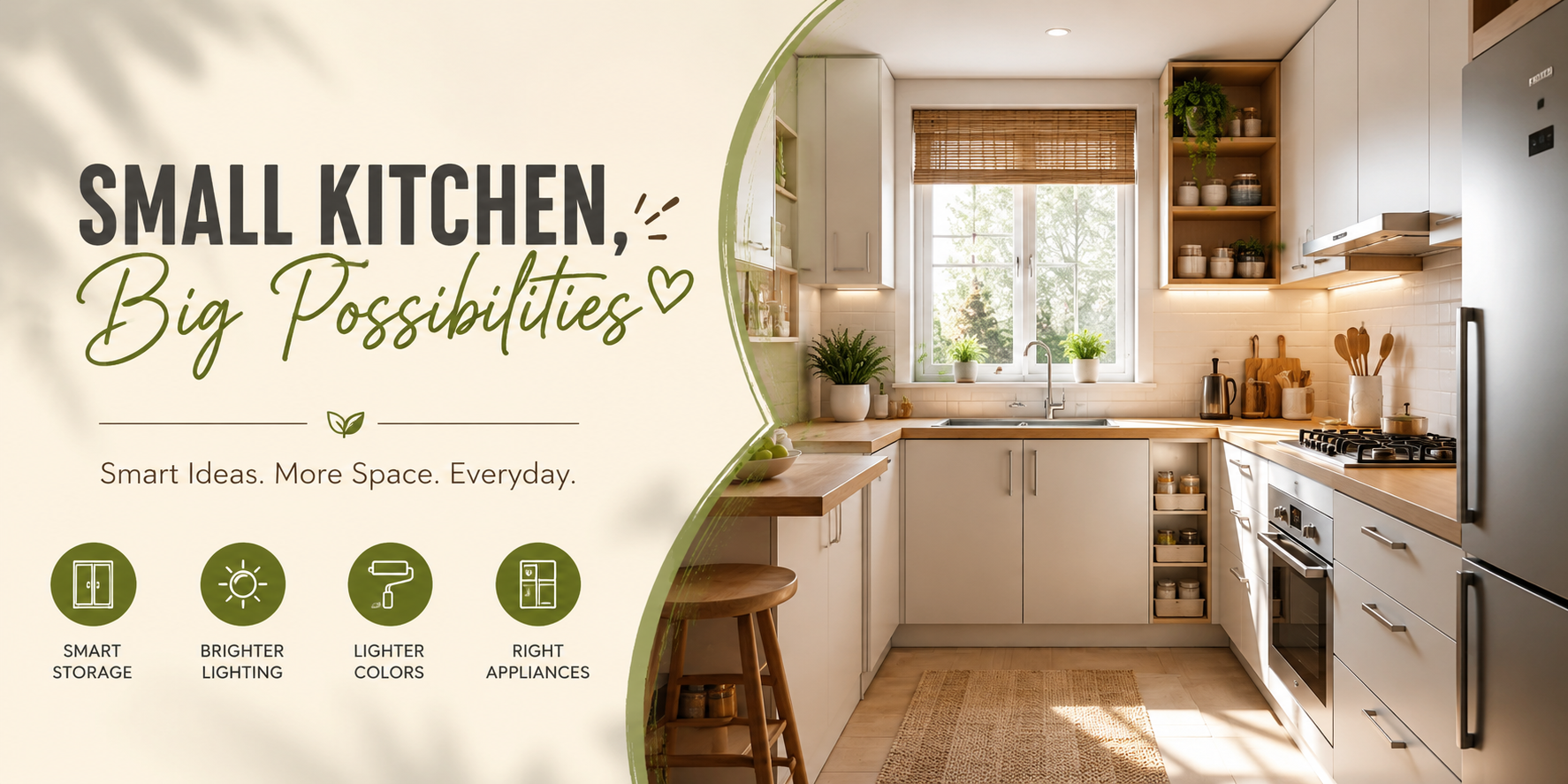

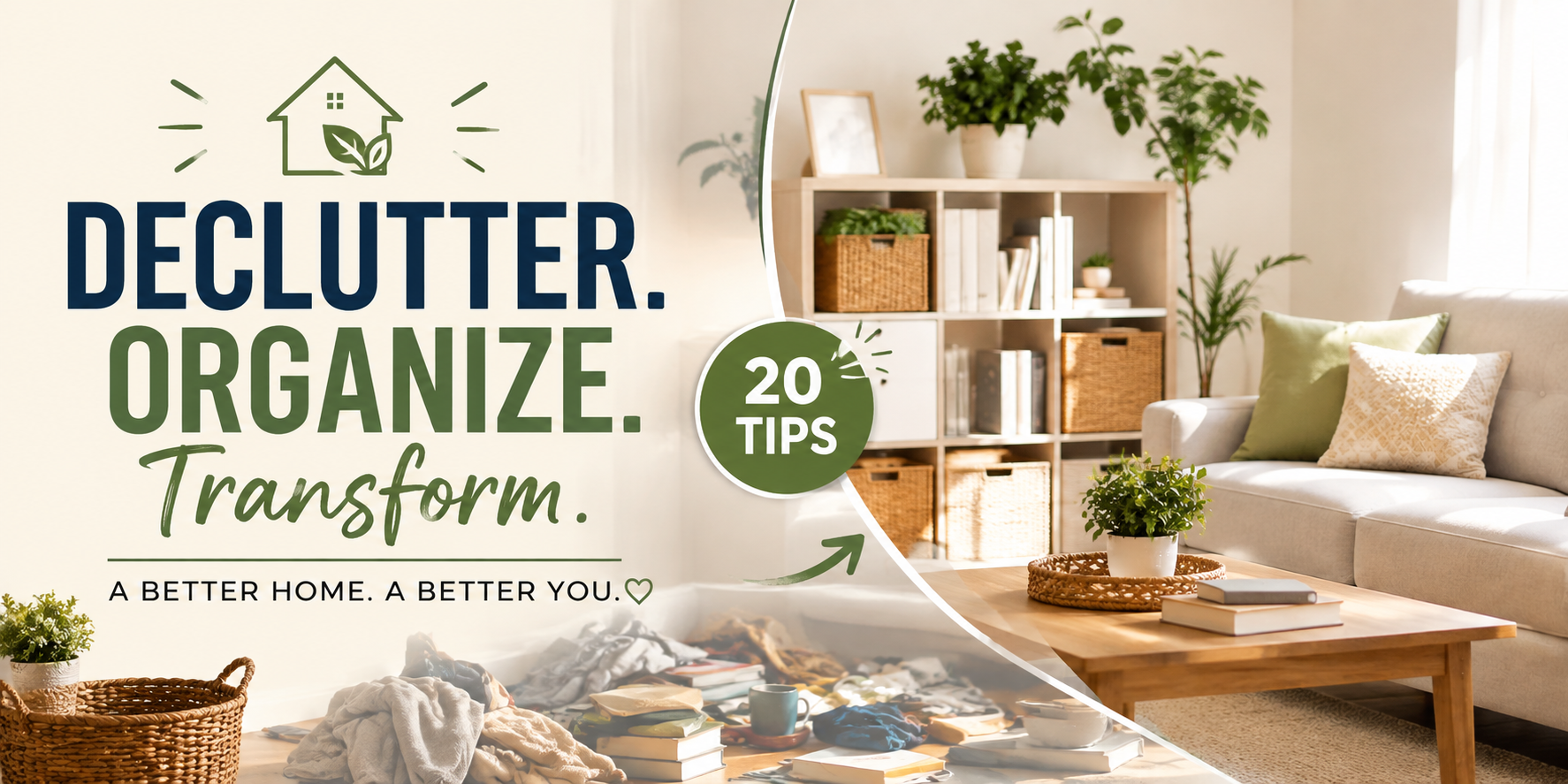
A cluttered home can quickly feel smaller, harder to clean, and more difficult to manage. However, you don’t need an expensive makeover or a completely minimalist lifestyle to create a more organized space.
Instead, start by removing things you no longer need, organizing the belongings you use, and creating simple habits that prevent clutter from returning. As a result, even small changes can make your home feel more spacious and comfortable.
Whether you’re searching for decluttering tips, how to declutter your home, or practical home organization ideas, these simple strategies can help you make steady progress.
What Is Decluttering?
Decluttering is the process of removing unnecessary, unused, unwanted, or excess items from your home. Unlike cleaning, which focuses on dirt and mess, decluttering reduces the number of possessions taking up your space.
For example, cleaning a crowded kitchen counter removes crumbs and spills. Decluttering that same counter means deciding which appliances, papers, and other belongings actually need to remain there.
Therefore, a simple rule is worth remembering:
Keep what you use, need, or genuinely value.
You don’t have to become a minimalist. Instead, the goal is to create a home that feels practical, comfortable, and easy to maintain.
Why Can Decluttering Make Such a Big Difference?
Decluttering can make everyday spaces easier to clean, organize, and use. In addition, removing unnecessary possessions can make rooms feel less visually crowded.
A more organized home can help you:
- Create more usable space
- Find everyday items faster
- Make cleaning easier
- Reduce visual distractions
- Improve storage efficiency
- Keep important surfaces clear
- Make rooms feel more open
- Build easier organization routines
However, the goal isn’t to create a perfectly styled house. The real goal is to make your home work better for your everyday life.
1. Start With the Most Visible Clutter
If you’re wondering how to start decluttering, don’t begin by emptying your entire house.
Instead, choose one area that bothers you every day. For example, you could start with a kitchen counter, coffee table, bathroom vanity, entryway, or bedside table.
First, remove obvious trash. Next, return misplaced items to their proper rooms. Finally, decide what should remain in the area.
As a result, you’ll get a quick visual improvement without creating a huge unfinished project.
Quick tip: Set a 10-minute timer and focus on one surface.
2. Use the Four-Category Decluttering Method
One of the easiest decluttering methods for beginners is to sort your belongings into four simple categories.
Keep
Keep items that you regularly use, genuinely need, or truly value.
Donate
Donate useful items that no longer serve a purpose in your home.
Recycle
Recycle materials that can be responsibly processed through appropriate recycling services.
Discard
Discard items that are broken, expired, unusable, or unsuitable for donation.
Most importantly, don’t create a large “maybe someday” pile that remains untouched for months.
Instead, when you’re unsure about something, ask:
If I didn’t already own this, would I choose to bring it into my home today?
If the answer is no, reconsider whether the item deserves valuable storage space.
3. Declutter Before Buying Storage Containers
One common home organization mistake is buying storage bins before reducing clutter.
Storage baskets, containers, drawer dividers, and shelves can certainly help. However, they cannot solve the problem of owning more belongings than you realistically use.
Before purchasing new storage, follow these steps:
- Declutter unwanted items.
- Group similar belongings together.
- Measure your available storage.
- Decide what actually needs to be stored.
- Choose storage products based on what remains.
In other words, declutter first and organize second.
This approach can also save money because you won’t buy containers for items you eventually decide to remove.
4. Clear Flat Surfaces for an Instant Transformation
If you want your home to look tidier quickly, focus on flat surfaces.
Start with:
- Kitchen countertops
- Dining tables
- Coffee tables
- Nightstands
- Bathroom counters
- Entryway consoles
- Home office desks
Then, give each surface a clear purpose.
For example, an entryway may only need a key bowl, lamp, and small decorative item. Everything else can have a designated home elsewhere.
As a result, clearing a few major surfaces can make an entire room appear more organized.
5. Declutter Your Kitchen Countertops
Kitchen counters often become temporary storage for appliances, mail, groceries, dishes, and miscellaneous belongings.
To begin, remove everything from the countertop. Then evaluate each item individually.
Ask yourself:
- Do I use this appliance regularly?
- Does this item have another storage location?
- Is it taking up useful preparation space?
- Do I own a duplicate?
- Could it be stored inside a cabinet?
Keep frequently used appliances accessible. Meanwhile, move occasional-use items into appropriate cabinets or storage areas.
Ultimately, a clearer countertop gives you more practical workspace and makes the kitchen easier to maintain.
6. Declutter and Organize Your Closet
A crowded closet doesn’t always mean you need more closet space. Instead, it may indicate that you own more clothing than you regularly wear.
When decluttering your wardrobe, look for clothing that is:
- Uncomfortable
- Damaged beyond reasonable repair
- The wrong size
- Rarely worn
- Duplicated
- No longer suitable for your lifestyle
- Kept only because you feel guilty getting rid of it
However, don’t feel pressured to declutter your entire wardrobe in one session.
Start with one clothing category, such as T-shirts, shoes, jackets, or jeans. Then move to another category once you’ve finished the first.
Try the Reverse-Hanger Method
The reverse-hanger method can help you identify clothing you actually wear.
First, turn your hangers backward. After wearing an item, return it to the closet normally.
Over time, the hanger direction can give you a visual reminder of which clothes you use regularly.
Keep in mind that seasonal clothing, formalwear, and specialized clothing need reasonable exceptions.
7. Use Vertical Storage in Small Spaces
When floor space is limited, look upward.
For example, small-space organization can benefit from:
- Wall hooks
- Tall shelving
- Floating shelves
- Over-the-door organizers
- Wall-mounted rails
- High cabinets
Instead of filling every corner of the floor, use suitable vertical areas for items that need storage.
This strategy works particularly well in small apartments, bedrooms, kitchens, bathrooms, and narrow entryways.
8. Give Everything a Home
An organized home becomes easier to maintain when everyday belongings have predictable locations.
For example:
- Keys: Entryway bowl
- Chargers: Tech drawer
- Mail: Paper-processing area
- Shoes: Shoe storage
- Cleaning supplies: Cleaning cabinet
- Important documents: Labeled file storage
If an item repeatedly ends up in the same random location, reconsider its current storage spot.
Perhaps the designated location is simply inconvenient. Therefore, move the item closer to where you naturally use it.
This small adjustment can make home organization much easier to maintain.
9. Follow the One-In, One-Out Rule
The one-in, one-out rule is a simple way to prevent clutter from building up again.
Whenever you bring a new item into a category, consider removing an existing item from that same category.
For example:
New sweater in → One old sweater out.
This method can work particularly well for:
- Clothing
- Shoes
- Books
- Mugs
- Toys
- Kitchen gadgets
You don’t have to apply the rule to every possession. Instead, use it for categories that tend to accumulate quickly.
As a result, your belongings are less likely to outgrow your available storage.
10. Don’t Forget Paper and Digital Clutter
Decluttering isn’t limited to physical possessions.
Reduce Paper Clutter
Create specific places for:
- Important documents
- Bills that need action
- Receipts
- School papers
- Useful manuals
- Records that need secure storage
Instead of allowing paperwork to spread across tables and counters, give incoming documents one processing location.
Declutter Digital Files
Your digital spaces can also become cluttered.
Therefore, periodically remove:
- Duplicate photos
- Old screenshots
- Unused apps
- Outdated downloads
- Unnecessary files
- Promotional emails
A cleaner digital environment can make important information easier to locate.
11. Declutter Your Bathroom
Bathrooms can quickly accumulate products that are no longer useful.
Start by removing:
- Empty containers
- Expired products
- Dried-out cosmetics
- Products you dislike
- Unused duplicates
- Items that no longer fit your routine
Next, keep everyday products within easy reach. Meanwhile, store occasional-use items in cabinets or drawers.
As a result, your bathroom counters can stay clearer without requiring complicated storage systems.
12. Try a 30-Minute Decluttering Reset
If your home feels overwhelming, break the project into a simple 30-minute decluttering routine.
Minutes 1–5: Remove obvious trash.
Minutes 6–10: Collect items that belong in other rooms.
Minutes 11–20: Sort the remaining belongings into Keep, Donate, Recycle, and Discard.
Minutes 21–27: Put the items you’re keeping in their proper homes.
Minutes 28–30: Clear the main surfaces and floor.
Most importantly, finish the process before moving to another room. Otherwise, you may simply create several unfinished piles.
13. Handle Sentimental Clutter Carefully
Sentimental possessions can be difficult to declutter because their value often comes from the memories attached to them.
However, you don’t need to remove every sentimental item.
Instead, ask:
- Does the memory require the physical object?
- Would a photograph preserve the memory?
- Can I keep one meaningful example instead of several?
- Could I create one dedicated memory box?
For example, you may not need to keep every school project from childhood. Instead, choose the pieces that have the strongest personal meaning.
The goal isn’t to eliminate memories. Rather, it’s to give meaningful possessions intentional space.
14. Declutter Your Entryway
Your entryway is one of the first parts of your home you see. Therefore, keeping it organized can immediately improve the overall feeling of your space.
Create designated storage for:
- Everyday shoes
- Keys
- Bags
- Umbrellas
- Frequently worn outerwear
At the same time, avoid using the entryway as a temporary dumping area.
A tidy entrance can make coming home feel calmer and can prevent clutter from spreading into other rooms.
15. Don’t Organize Things You Don’t Use
This is one of the most important home organization tips to remember.
Organization manages possessions. Decluttering questions whether you need those possessions in the first place.
For example, if you own 30 similar items but regularly use only five, buying a larger storage system doesn’t necessarily solve the problem.
Instead, remove unnecessary belongings first. Then organize what remains.
As a result, your storage system will be simpler and easier to maintain.
16. Try Soft Decluttering If You Feel Overwhelmed
You don’t have to declutter your entire home in one weekend.
Instead, break the project into small tasks.
For example:
- One drawer today
- One shelf tomorrow
- One cabinet this weekend
- One clothing category next week
This approach reduces pressure and makes it easier to stay consistent.
Most importantly, remember that small progress is still progress.
17. Use the 90/90 Rule for Difficult Decisions
If you’re unsure about an item, a simple decision framework can help.
The 90/90 decluttering rule asks whether you have used an item in the past 90 days and whether you expect to use it in the next 90 days.
If the answer is no to both, consider whether keeping the item makes sense.
However, don’t apply this rule blindly. Seasonal items, emergency supplies, formalwear, and specialized equipment may be useful even when they aren’t used frequently.
Therefore, consider the item’s purpose before making a final decision.
18. Leave Some Breathing Room
Another useful decluttering principle is to avoid filling every drawer, shelf, cabinet, or closet to maximum capacity.
For example, instead of packing a closet completely full, leave some space between groups of clothing.
Likewise, avoid stuffing drawers so tightly that you can’t easily see what is inside.
As a result, your belongings become easier to access, and your home can feel more spacious.
19. Stop Clutter Before It Enters Your Home
The easiest clutter to manage is often the clutter you never bring home.
Before buying something, ask:
- Where will I store it?
- How often will I use it?
- Do I already own something similar?
- Would I still buy it without the discount?
- Is it worth the space it will occupy?
This short pause can help reduce impulse purchases.
In addition, being more selective about new possessions makes long-term clutter management much easier.
20. Build Simple Daily Decluttering Habits
A clutter-free home doesn’t require constant cleaning.
Instead, small daily habits can prevent clutter from becoming overwhelming.
Try to:
- Put things away after using them.
- Clear kitchen counters before bed.
- Process incoming mail regularly.
- Return clothing to the closet or laundry basket.
- Reset the living room for a few minutes each evening.
- Remove unwanted items regularly.
You can also schedule a monthly mini-decluttering session for areas that accumulate quickly.
Ultimately, the goal isn’t perfection. The goal is to prevent small amounts of clutter from becoming large, stressful piles.
What Should You Declutter First?
If you’re wondering what to declutter first, start with items that are easy to identify and take up valuable space.
|
Area |
What to Declutter |
|
Kitchen |
Expired food, duplicate utensils, unused appliances |
|
Bathroom |
Empty, expired, or unused products |
|
Closet |
Unworn, uncomfortable, damaged clothing |
|
Entryway |
Excess shoes, bags, and mail |
|
Living Room |
Unused décor, papers, and miscellaneous items |
|
Bedroom |
Clothing, bedside clutter, and unused belongings |
|
Home Office |
Old paperwork, duplicate supplies, and unused cables |
|
Garage |
Broken, forgotten, or unused items |
For a quick transformation, begin with the area that creates the most daily frustration.
What Should You Not Declutter Too Quickly?
Decluttering should be intentional rather than impulsive.
Therefore, pause before getting rid of:
- Important legal documents
- Financial records
- Essential medical records
- Irreplaceable photographs
- Work or school materials
- Seasonal equipment
- Emergency supplies
- Valuable heirlooms
- Specialized tools you occasionally need
In addition, follow local disposal requirements for electronics, batteries, chemicals, medication, and other materials that shouldn’t go into ordinary household waste.
When you’re uncertain about an important document or valuable item, verify its importance before discarding it.
Decluttering vs. Organizing: What’s the Difference?
Decluttering removes unnecessary possessions, while organizing creates a practical system for the possessions you decide to keep.
The process can be simplified like this:
Too much stuff → Declutter → Keep what matters → Organize → Maintain
Trying to organize excessive belongings can create only a temporary improvement.
Instead, reduce the amount of stuff first. Then create storage systems around the belongings you actually use.
How Can You Declutter Your Home Without Getting Overwhelmed?
The easiest approach is to make the project smaller.
First, choose one drawer, shelf, surface, category, or room. Next, use a timer and sort the belongings into simple categories. Finally, finish that area before starting another one.
If a decision feels difficult, set the item aside temporarily rather than allowing one possession to stop your entire project.
As a result, you’ll be able to make consistent progress without feeling like you need to transform your entire home in one day.
How Long Does It Take to Declutter a Home?
There is no universal timeline because every home is different.
The time required depends on:
- Home size
- Number of possessions
- Household size
- Available storage
- Amount of sentimental clutter
- Decision-making difficulty
- How consistently you work on the project
Instead of setting an unrealistic deadline, create a repeatable schedule.
For example, spend 10–30 minutes on one focused area several times a week.
Over time, those small sessions can produce a significant transformation.
Frequently Asked Questions About Decluttering
What Is the Fastest Way to Declutter Your Home?
Start with visible surfaces and obvious trash. Then return misplaced items to their proper rooms and sort the remaining belongings into Keep, Donate, Recycle, and Discard. Most importantly, complete one small area before moving to another. This approach creates quick visual progress without making the project overwhelming.
What Should I Get Rid of When Decluttering?
Start with items that are broken, expired, duplicated, unused, uncomfortable, or no longer relevant to your lifestyle. However, don’t automatically discard sentimental or important possessions. Instead, consider how often you use an item, whether you need it, and whether it deserves the space it occupies.
How Do I Declutter When I Have Too Much Stuff?
Start small rather than tackling your entire home. For example, choose one drawer, shelf, surface, or category. Then use a simple sorting method and take regular breaks. If an item is difficult to decide about, set it aside temporarily and continue with easier decisions.
Does Decluttering Really Make a Home Feel Better?
For many people, reducing excess possessions can make a home easier to clean, navigate, and maintain. In addition, a less crowded environment may feel more comfortable and functional. However, everyone’s experience is different, so decluttering should focus primarily on creating a home that works well for you.
Should I Declutter or Organize First?
Declutter first and organize second. Removing unnecessary possessions reduces the amount you need to store. Once you’ve decided what stays, you can choose storage solutions and create systems around your actual belongings.
How Can I Keep My Home Clutter-Free?
Give frequently used items a designated home and return them after use. In addition, process incoming belongings regularly and consider the one-in, one-out rule for categories that accumulate quickly. Finally, spend a few minutes each day resetting the areas that become cluttered most often.
What Is the Best Decluttering Method?
There isn’t one method that works perfectly for everyone. The four-category method is easy for beginners, while the one-in, one-out rule can help prevent future clutter. Meanwhile, the 90/90 approach can help with difficult decisions. Choose the method that fits your lifestyle and the type of clutter you’re managing.
The Bottom Line
You don’t necessarily need a bigger home to create a better home.
Instead, you may need less clutter, better organization, and simpler systems.
Start with one small area. Then remove what you don’t use, keep what matters, and give everything else a practical home.
Afterward, create simple habits that prevent clutter from returning.
Whether you’re searching for decluttering tips, home organization ideas, how to declutter your home, or ways to create a clutter-free home, the basic strategy remains the same:
Start small, make intentional decisions, and build systems you can realistically maintain.