






Getting older is natural, but feeling strong, energetic, mobile, and independent can be supported by the right daily habits.
You do not need an intense workout routine or hours at the gym to support healthy aging. Simple habits such as walking every day, strength training, stretching, mobility exercises, balance training, and taking regular movement breaks can help you stay active and make everyday movement easier.
The goal is not to reverse aging. It is to support physical fitness, muscle strength, mobility, cardiovascular health, balance, and everyday function as you get older.
Current physical activity guidelines recommend that adults work toward 150–300 minutes of moderate-intensity aerobic activity each week, along with muscle-strengthening activity on at least two days. Older adults should also include activities that improve balance and combine different types of physical activity.
What fitness habits can help you feel younger?
The best fitness habits for healthy aging are simple and consistent: walk more, sit less, build muscle, improve balance, maintain mobility, and gradually increase your physical activity.
These habits can support strength, endurance, coordination, independence, and the ability to perform everyday activities comfortably.
Here are some of the most practical healthy aging exercises and daily fitness habits to add to your routine.
1. Walk every day for better fitness and healthy aging
Walking is one of the easiest forms of exercise for healthy aging.
A daily walk can help you increase physical activity without requiring expensive equipment or a gym membership. You can walk before breakfast, during your lunch break, after dinner, while talking on the phone, or when running nearby errands.
Walking is also easy to adjust to your fitness level. You can start slowly and gradually increase your walking time or pace.
Try this simple walking habit
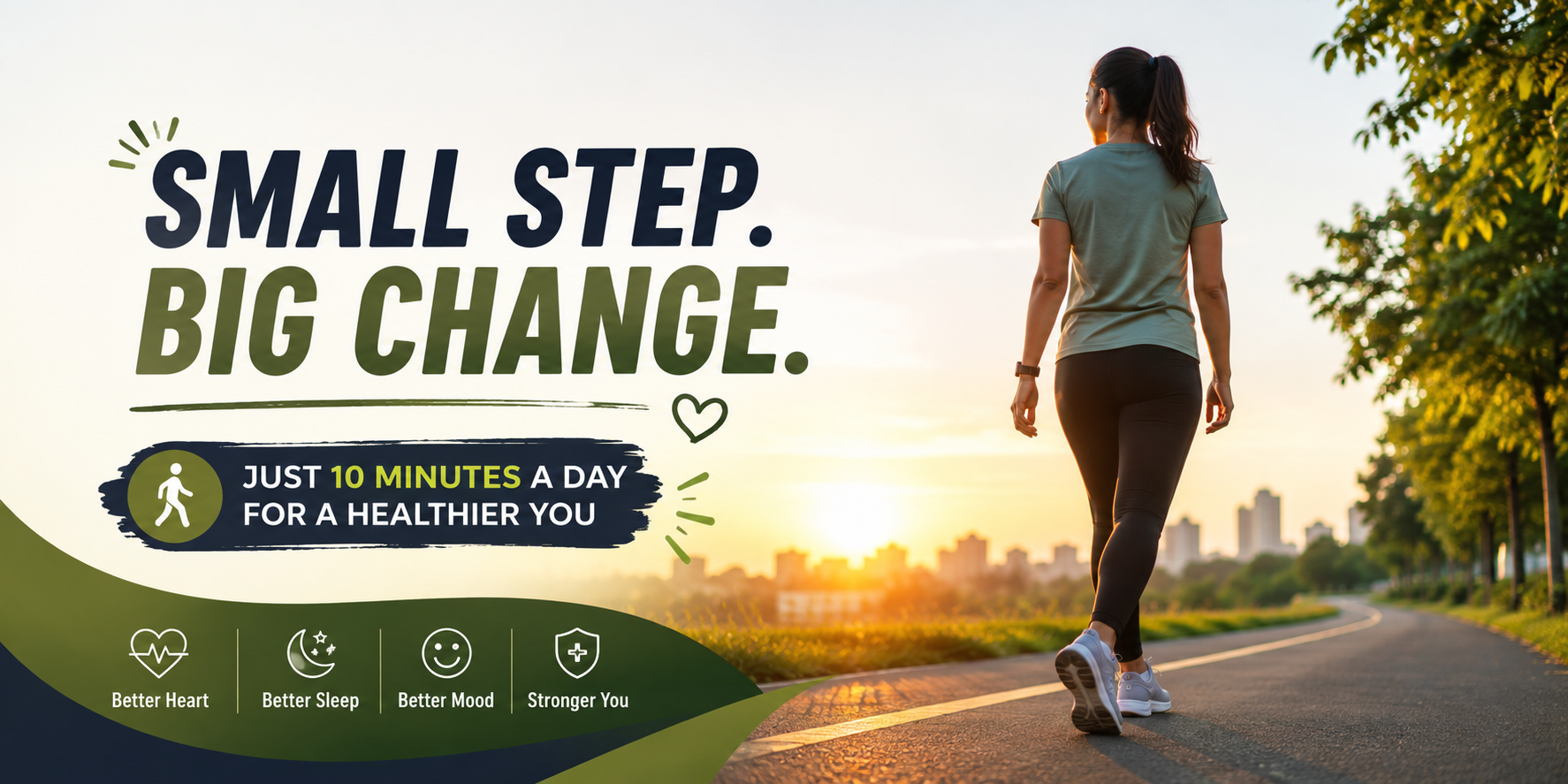
Start with 5–10 minutes of walking once or twice a day.
As your fitness improves, gradually work toward longer walks or a faster pace.
If you are currently inactive, starting small is a practical approach. Current physical activity guidance emphasizes that even small increases in activity can provide health benefits and recommends gradually building toward the weekly activity target.
2. Strength train at least twice a week
Strength training for healthy aging is one of the most important fitness habits to develop as you get older.
Muscle strength supports everyday movements such as:
- Getting out of a chair
- Climbing stairs
- Carrying groceries
- Lifting household items
- Getting in and out of a car
- Maintaining physical independence
You do not need heavy weights to begin.
Depending on your fitness level, try:
- Chair squats
- Wall push-ups
- Resistance-band rows
- Glute bridges
- Calf raises
- Step-ups
- Light dumbbell exercises
Adults are generally advised to perform muscle-strengthening activities involving the major muscle groups on at least two days per week.
Why strength training matters as you age
Regular resistance exercise can help you maintain the physical capacity needed for everyday life.
For older adults, combining muscle-strengthening exercises with aerobic and balance activities is particularly important for maintaining overall physical function.
3. Move more and sit less
You can exercise regularly and still spend most of your day sitting.
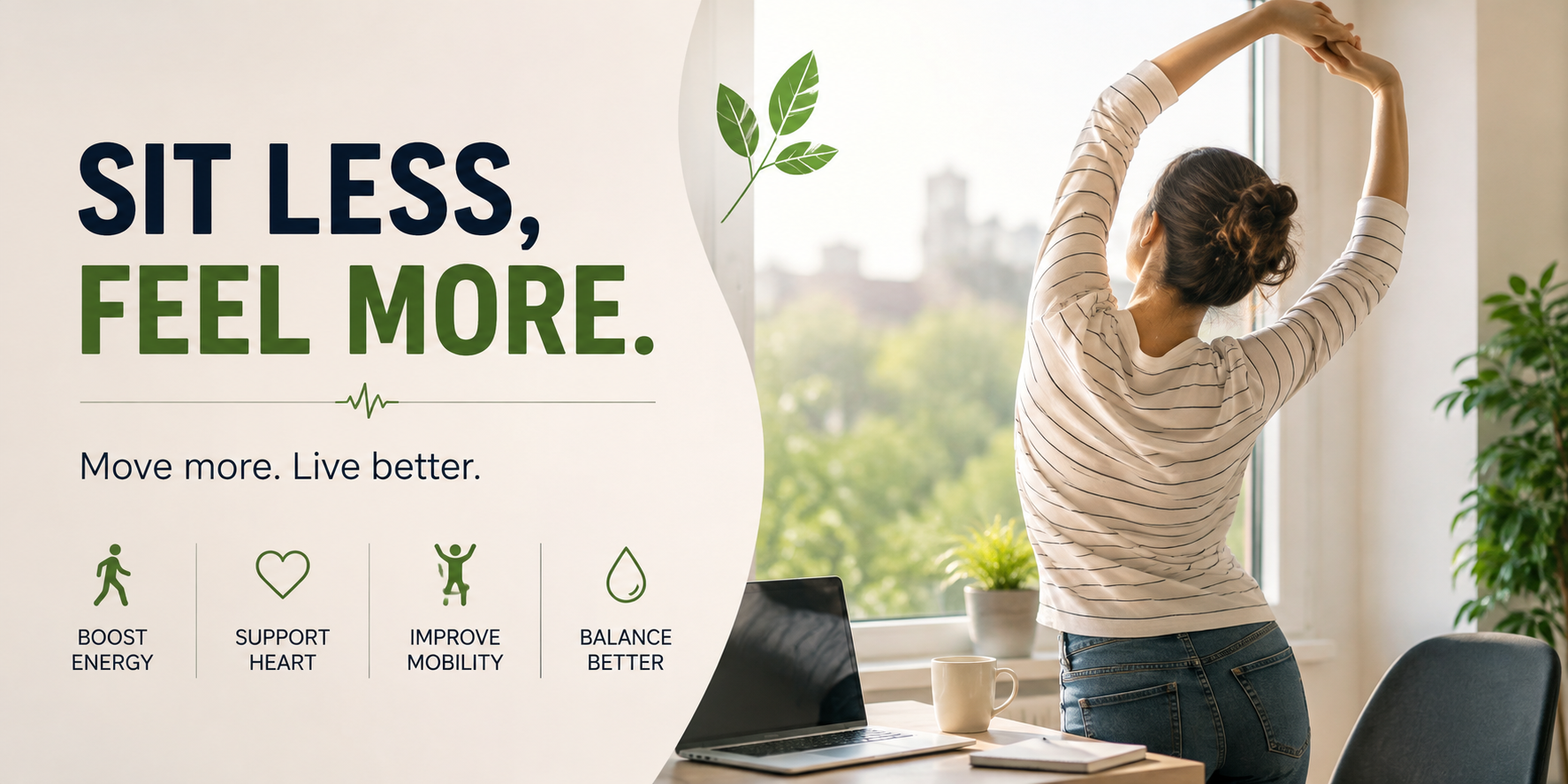
That is why one of the easiest daily fitness habits is to break up long periods of sedentary behavior.
Try standing up and moving around every 30–60 minutes when practical.
You could:
- Walk around your home
- Stretch gently
- Get a glass of water
- Walk during a phone call
- Do a few sit-to-stand repetitions
- Take a short movement break from your computer
The Physical Activity Guidelines specifically encourage adults to move more and sit less throughout the day.
4. Do five minutes of mobility exercises
Feeling stiff can make everyday movement harder.
A short mobility workout can help you regularly move your joints through comfortable ranges of motion.
Focus on gentle movements for:
- Shoulders
- Neck
- Upper back
- Hips
- Ankles
- Wrists
- Spine
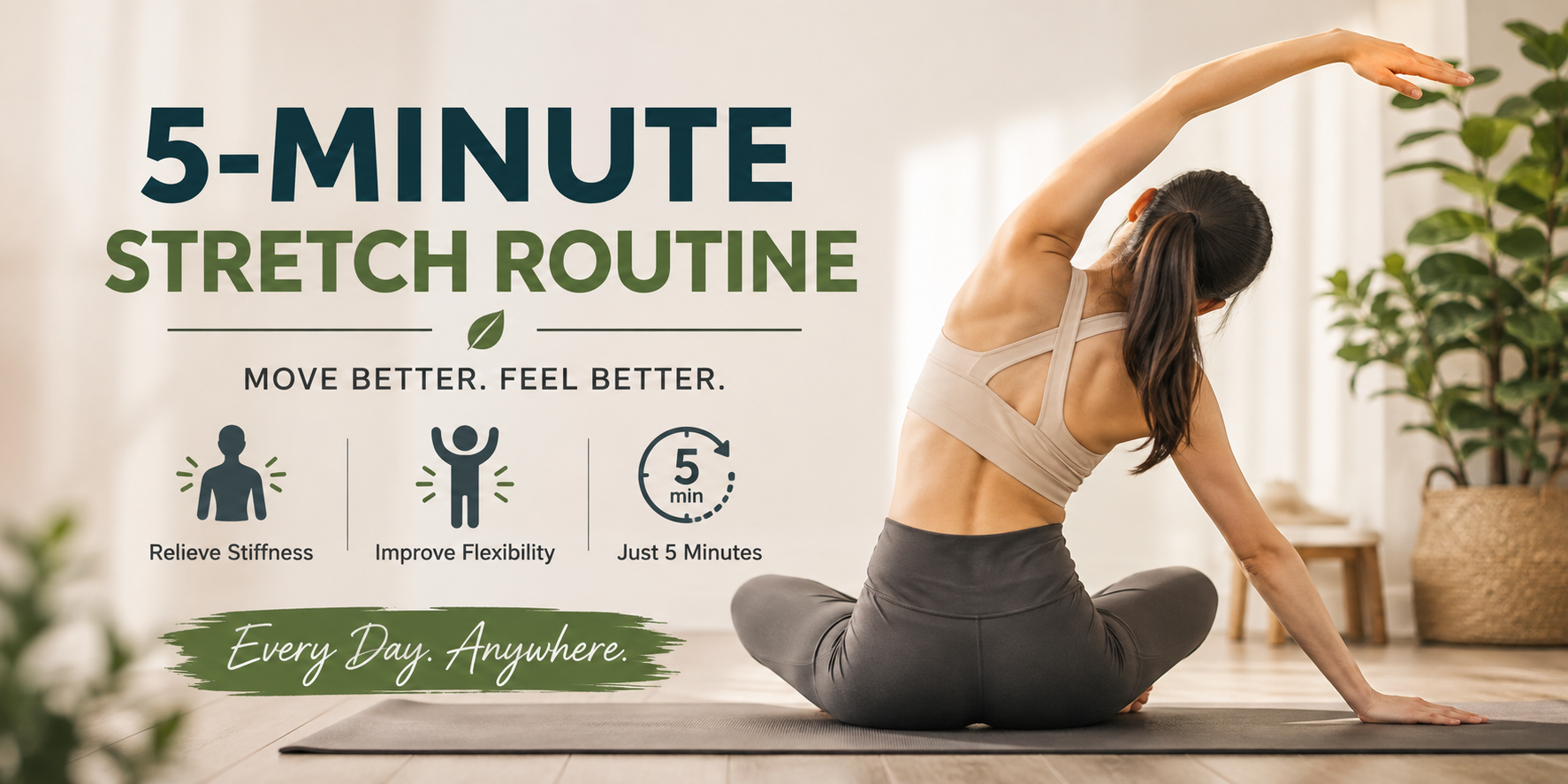
Try this 5-minute mobility routine
Perform gentle, controlled movements such as:
- Shoulder rolls
- Gentle torso rotations
- Hip circles
- Ankle circles
- Controlled sit-to-stand movements
- Gentle calf stretches
The purpose is not to force flexibility. Instead, focus on comfortable, controlled movement.
Stretching and flexibility work can also help older adults maintain the range of movement needed for everyday tasks.
5. Add balance exercises to your fitness routine
Balance training becomes increasingly important with age.
Balance exercises for older adults can be incorporated into a broader fitness routine alongside walking and strength training.
Depending on your ability, options include:
- Standing on one foot while holding a stable surface
- Heel-to-toe walking
- Controlled sit-to-stand exercises
- Tai chi
- Yoga
- Step-up exercises
Always prioritize safety. Perform challenging balance exercises near a sturdy support if needed.
Current guidelines recommend that older adults include multicomponent physical activity incorporating aerobic, muscle-strengthening, and balance activities.
6. Take the stairs when appropriate
Taking the stairs can be an easy way to add more movement to your day.
If you can use stairs safely, consider choosing them instead of an elevator for some trips.
You do not have to climb several flights at once. Start with one flight if that is appropriate for your fitness level.
Small active choices—including walking and taking the stairs—can contribute to your overall physical activity.
If stairs cause pain, dizziness, unusual shortness of breath, or instability, choose a safer alternative.
7. Turn everyday activities into exercise
Exercise does not always have to look like a workout.
Many everyday activities can help you become more physically active.
Examples include:
- Gardening
- Walking the dog
- Housework
- Shopping
- Dancing
- Cycling
- Yard work
- Walking to nearby destinations
Physical activity can come from structured exercise as well as lifestyle activities such as walking and household chores.
Instead of asking, “When can I fit in an hour-long workout?”, ask:
“Where can I add five more minutes of movement today?”
That small mindset shift can make staying active easier.
8. Improve posture by moving regularly
You do not need to maintain a perfectly straight posture all day.
A more practical approach is to avoid staying in the same position for long periods and regularly move your shoulders, spine, hips, and legs.
Try to:
- Change your sitting position regularly.
- Stand during some phone calls.
- Walk around during computer breaks.
- Perform gentle shoulder movements.
- Strengthen your upper back and core.
- Adjust your workstation for comfortable positioning.
The goal is movement variety, rather than trying to maintain one perfect posture.
9. Gradually increase your workout intensity
Once an exercise becomes easy, your body may need a slightly greater challenge to continue progressing.
You can gradually increase:
- Walking duration
- Walking pace
- Resistance
- Repetitions
- Number of sets
- Exercise difficulty
For example:
Walking:
10 minutes → 15 minutes → 20 minutes
Strength training:
1 set → 2 sets → slightly more resistance
Balance:
More support → less support when safe
Mobility:
Basic movements → greater controlled range of motion
Gradual progression is generally more sustainable than suddenly making your workouts much harder. Physical activity guidelines also recommend gradually increasing muscle-strengthening activity over time.
10. Make recovery part of your fitness routine
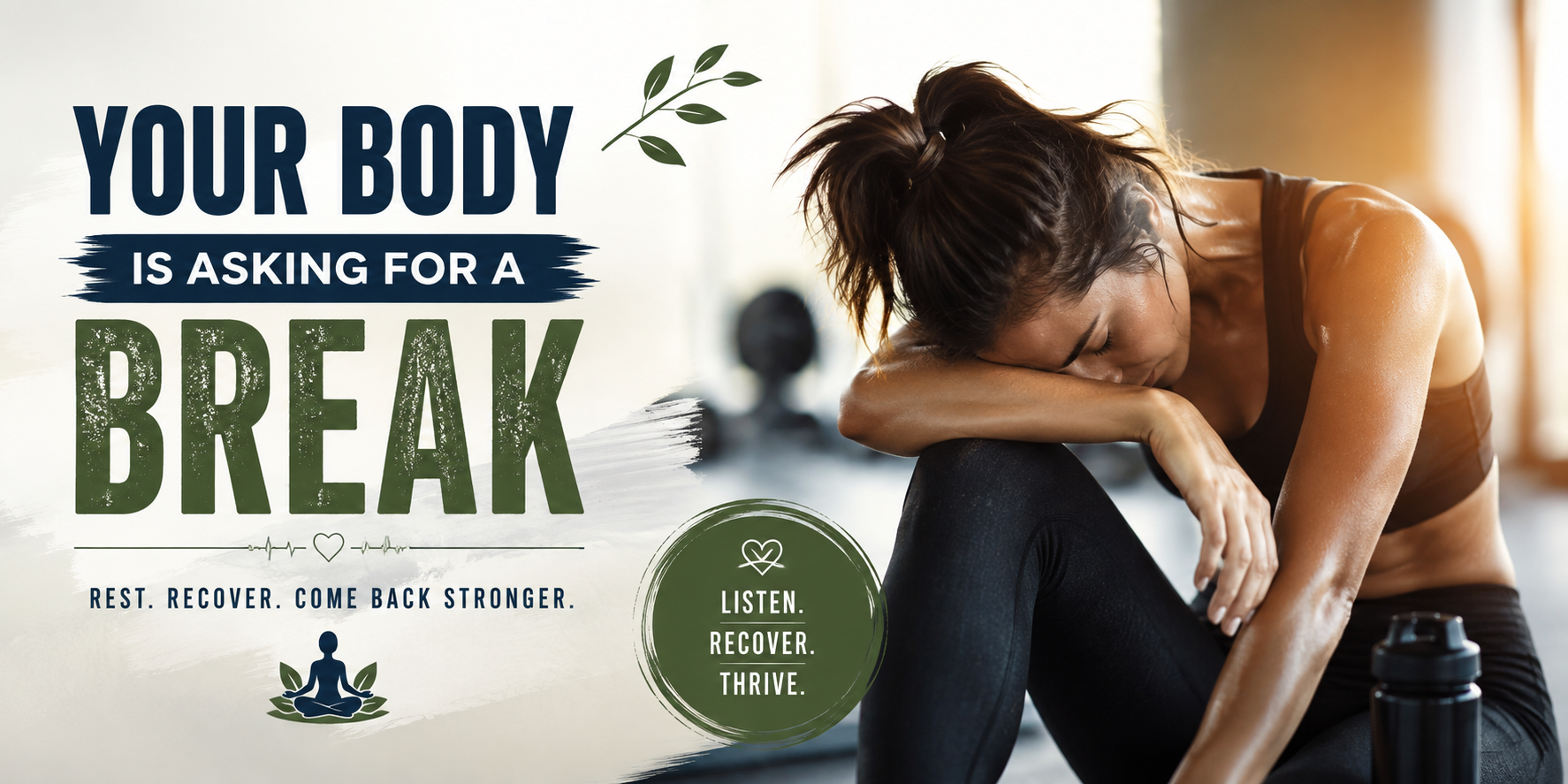
A healthy aging workout plan should include recovery.
Your body needs time to adapt when you begin exercising or increase your activity level.
Support recovery by:
- Getting adequate sleep
- Staying hydrated
- Eating a balanced diet
- Allowing recovery between demanding workouts
- Adjusting exercise intensity when needed
- Increasing activity gradually
If you have been inactive, starting with small amounts of exercise and building up over time is recommended.
11. Choose exercise you enjoy
The best exercise program is one you can continue.
If running is not enjoyable, you do not have to run.
Consider:
- Walking
- Swimming
- Cycling
- Dancing
- Yoga
- Tai chi
- Gardening
- Resistance training
- Recreational sports
Activities such as dancing and tai chi can combine multiple aspects of fitness, including aerobic movement, coordination, strength, and balance.
Enjoyable activities can make regular exercise feel less like a chore and more like part of your lifestyle.
Can small workouts really help with healthy aging?
Yes. Small amounts of physical activity can provide health benefits, particularly for people who are currently inactive.
The key is to treat short workouts as a starting point rather than a replacement for regular physical activity.
For example, a 5- or 10-minute walk can become the beginning of a consistent exercise routine. Over time, you can gradually increase your total weekly activity toward recommended levels.
What is a simple weekly fitness routine for healthy aging?
A simple healthy aging workout plan can combine walking, strength training, mobility, and balance exercises.
Every day
- Walk for 10–30 minutes according to your current fitness level.
- Break up long periods of sitting.
- Spend about 5 minutes on mobility exercises.
- Look for opportunities to move during daily activities.
At least 2 days a week
Perform a full-body strength workout that targets major muscle groups.
Examples include:
- Squats
- Push-ups or wall push-ups
- Rows
- Glute bridges
- Calf raises
- Step-ups
Several days a week
Add balance-focused activities when appropriate.
Examples include:
- Tai chi
- Yoga
- Controlled single-leg balance
- Heel-to-toe walking
- Functional movement exercises
For adults, the overall target is 150–300 minutes of moderate-intensity aerobic activity each week, together with muscle-strengthening activity on at least two days. Older adults should also include balance and multicomponent activities.
What if you are too busy to exercise?
Try movement snacks—short periods of activity spread throughout the day.
For example:
Morning: 5-minute walk
Midday: 5-minute mobility routine
Afternoon: 5-minute brisk walk
Evening: 10-minute walk after dinner
These short sessions can make physical activity easier to fit into a busy lifestyle.
As your fitness improves, gradually increase the duration or intensity.
Current guidance no longer requires physical activity to occur in specific 10-minute blocks. Short bouts can contribute toward your overall activity.
What are the best exercises after age 50 or 60?
After 50 or 60, focus on a combination of aerobic exercise, strength training, balance exercises, and mobility work rather than relying on one type of workout.
Walking, swimming, cycling, resistance training, yoga, tai chi, dancing, and functional exercises can all have a place in an age-appropriate fitness routine.
For older adults, current guidance emphasizes combining aerobic, muscle-strengthening, and balance-focused activities.
Your age does not mean you need to stop exercising. Instead, adapt your workouts to your current fitness level, abilities, and health needs.
Common fitness mistakes to avoid as you age
1. Doing too much too soon
Starting with an extremely difficult workout can lead to excessive soreness and make exercise harder to maintain.
2. Doing only cardio
Walking and other aerobic exercises are valuable, but strength and balance are also important components of healthy aging.
3. Ignoring balance training
Balance exercises deserve a place in your routine, particularly as you get older.
4. Sitting for the rest of the day
A workout does not mean you should remain inactive for the rest of the day. Look for regular opportunities to move.
5. Chasing soreness
Being extremely sore is not a reliable measure of workout quality.
6. Comparing yourself with younger people
Focus on improving your own strength, mobility, endurance, and physical function rather than competing with someone else’s performance.
When should you talk to a healthcare professional?
Talk with a healthcare professional before changing your exercise routine if you have a chronic health condition, significant mobility limitations, recurring falls, unexplained dizziness, chest pain, unusual shortness of breath, or another medical concern.
Older adults with chronic conditions should consider how those conditions affect their ability to participate safely in physical activity.
Stop exercising and seek appropriate medical advice if concerning symptoms occur during physical activity.
small habits can support healthy aging
You do not need an extreme fitness routine for healthy aging.
Start with the basics:
Walk more. Sit less. Build muscle. Improve balance. Maintain mobility. Increase activity gradually. Recover properly.
These small fitness habits can support strength, cardiovascular fitness, mobility, balance, and everyday physical function as you age.
The goal is not to literally become younger. The goal is to help your body remain strong, mobile, capable, and independent for as long as possible.
Start today with one manageable habit: take a 10-minute walk, perform a 5-minute mobility routine, or complete a short strength workout.
Small actions become meaningful when you repeat them consistently.
Frequently Asked Questions
What are the best fitness habits for healthy aging?
The most useful fitness habits for healthy aging include regular walking or other aerobic exercise, strength training at least two days per week, balance exercises, mobility work, and reducing prolonged sitting. Combining these activities provides a more complete approach to maintaining strength, endurance, balance, and physical function.
What exercise makes you feel younger?
There is no single exercise that makes you younger. A combination of walking, strength training, balance exercises, and mobility work can help support the physical abilities associated with feeling energetic and capable. Choose activities you enjoy and can perform consistently.
How much exercise should adults get each week?
Adults should generally aim for 150–300 minutes of moderate-intensity aerobic activity per week, or an equivalent amount of vigorous activity, plus muscle-strengthening exercises on at least two days each week.
Can walking help with healthy aging?
Yes. Walking is an accessible aerobic activity that can increase daily physical activity and support cardiovascular fitness. It can be combined with strength training, balance exercises, and mobility work for a more complete healthy aging fitness routine.
Is 10 minutes of exercise a day enough?
Ten minutes of exercise is a useful starting point, especially if you are currently inactive. It may not meet the full recommended weekly amount by itself, but small amounts of physical activity still provide benefits. Gradually increase your activity as your fitness improves.
How often should older adults do strength training?
Older adults should generally perform muscle-strengthening exercises involving the major muscle groups on at least two days per week. Exercises can include resistance bands, light weights, bodyweight movements, squats, or other appropriate resistance exercises.
Are mobility exercises important as you age?
Yes. Mobility and flexibility exercises can help you maintain comfortable movement and perform everyday activities. However, mobility exercises should complement rather than replace aerobic exercise, strength training, and balance activities.
What are the best exercises after age 50?
There is no single best exercise after age 50. A balanced routine can include brisk walking, cycling, swimming, strength training, mobility exercises, yoga, tai chi, dancing, and balance exercises. The right activities depend on your fitness level, preferences, and health needs.
What are the best exercises after age 60?
For adults over 60, a combination of aerobic exercise, strength training, balance activities, and mobility work is particularly useful. Walking, resistance exercises, tai chi, yoga, dancing, swimming, and functional exercises can all be adapted to different fitness levels.
Can you start exercising later in life?
Yes. It is not too late to become more physically active. People who have been inactive can start with small amounts of movement and gradually build their fitness. Current guidance specifically supports starting slowly and increasing activity over time.