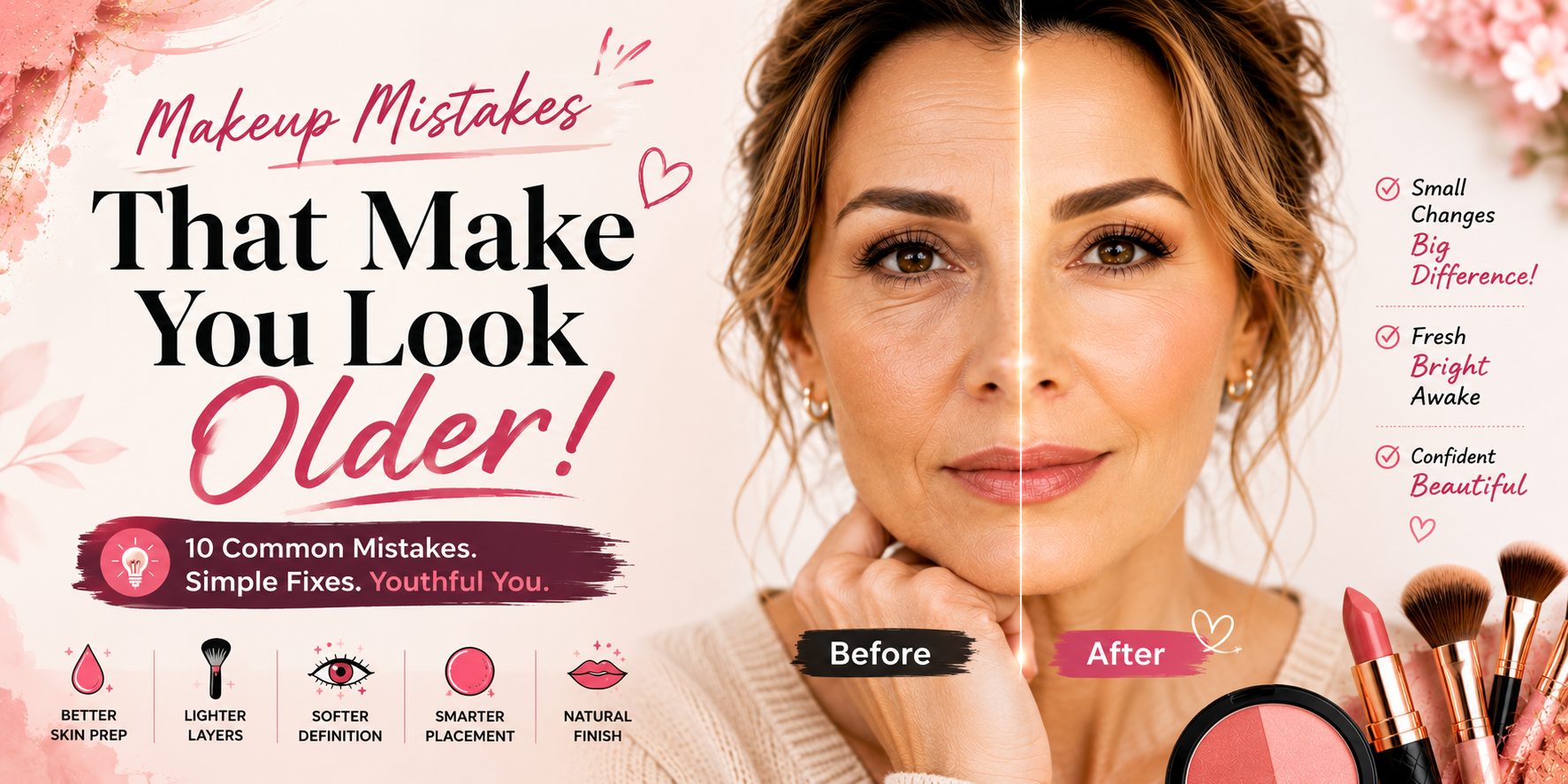







Why Is Your Skin Still Dull?
If your skin looks dull, tired, dry, rough, or uneven, your skincare routine may be part of the problem. Using too many products, over-exfoliating, skipping moisturizer, using harsh cleansers, and forgetting sunscreen can irritate your skin and make it look less healthy.
The good news is that you may not need a complicated 10-step routine. Dermatologists generally recommend focusing on a few consistent basics: gentle cleansing, moisturizing, sun protection, and carefully selected treatments. The American Academy of Dermatology (AAD) also emphasizes that consistency can matter more than using a large number of skincare products.
What Causes Dull Skin?
Dull skin can be caused by dryness, dead skin cell buildup, irritation, sun exposure, uneven pigmentation, or an inconsistent skincare routine. Over-exfoliation and harsh skincare products can also damage the skin barrier, leaving skin looking dry, red, rough, or irritated.
“Dull skin” is not a medical diagnosis. If your skin develops persistent itching, scaling, inflammation, unusual discoloration, or sudden changes, a dermatologist can help identify the underlying cause.
10 Skincare Mistakes That Can Make Your Skin Look Dull
1. Over-Exfoliating Your Skin
Exfoliation is often promoted as one of the best ways to get smooth and glowing skin, but doing it too often can have the opposite effect.
Exfoliation removes dead skin cells from the outer layer of the skin. However, excessive chemical or physical exfoliation can cause dryness, redness, irritation, and breakouts. The AAD recommends choosing an exfoliation method based on your skin type and being careful when using other potentially irritating products such as retinoids or benzoyl peroxide.
What to do instead: Exfoliate gently and adjust how often you exfoliate according to your skin’s tolerance. If your skin becomes red, irritated, or unusually sensitive, reduce or stop exfoliation.
2. Skipping Moisturizer Because You Have Oily Skin
Think oily skin doesn’t need moisturizer? That’s a common skincare mistake.
Even acne-prone or oily skin may benefit from moisturizing, particularly when using treatments that can cause dryness or irritation. For oily or acne-prone skin, look for products labeled oil-free or non-comedogenic.
What to do instead: Choose a lightweight moisturizer that matches your skin type rather than skipping hydration completely.
3. Skipping Sunscreen
If you’re trying to improve dull skin, daily sun protection should be a basic part of your skincare routine.
UV exposure can contribute to premature skin aging and pigmentation changes. The AAD recommends a broad-spectrum, water-resistant sunscreen with SPF 30 or higher, along with shade and protective clothing when appropriate.
What to do instead: Apply sunscreen as the final step of your morning skincare routine when you’ll be exposed to daylight. Reapply as directed, particularly during extended outdoor activities, swimming, or sweating.
4. Using a Harsh Face Cleanser
Your face doesn’t need to feel extremely tight or “squeaky clean” after washing.
Harsh cleansing and aggressive scrubbing can irritate the skin. Dermatologists generally recommend gentle, non-abrasive cleansing and avoiding unnecessarily hot water.
What to do instead: Use a gentle cleanser suitable for your skin type and avoid rubbing your face aggressively.
5. Changing Your Skincare Products Too Often
Trying a new serum, cleanser, exfoliator, or treatment every few days can make your skincare routine harder to manage.
It also becomes difficult to determine which product is helping or irritating your skin. Dermatologists emphasize that a simple routine used consistently can be better than constantly adding new products.
What to do instead: Start with a basic skincare routine and introduce one new product at a time.
6. Using Too Many Active Ingredients
Vitamin C, retinoids, exfoliating acids, and acne treatments can be useful for specific skin concerns. However, using multiple active ingredients together without considering your skin’s tolerance may cause irritation.
AAD guidance notes that using too many products, particularly multiple anti-aging products, can irritate the skin.
What to do instead: Focus on your main skin concern and introduce active ingredients gradually.
If you’re using prescription skincare, ask your dermatologist or pharmacist how to combine it with other active products.
7. Scrubbing Your Face Too Hard
A rough scrub doesn’t necessarily give you brighter skin.
Aggressive physical exfoliation can irritate the skin and may make redness or pigmentation more noticeable. The AAD recommends gentle exfoliation and notes that the appropriate method depends on skin type.
What to do instead: Use gentle movements when cleansing or exfoliating, and avoid exfoliating irritated, wounded, or sunburned skin.
8. Ignoring Skin Hydration
Dry or dehydrated skin can look rough, flaky, tight, or less radiant.
Moisturizer helps reduce water loss and supports comfortable, healthy-looking skin. For dry skin, dermatologists recommend applying moisturizer while the skin is still slightly damp.
What to do instead: Apply moisturizer after cleansing while your skin is slightly damp. If your skin is very dry, choose a cream or ointment rather than relying only on a lightweight lotion.
9. Going to Bed Without Cleansing Your Face
If you’ve worn makeup, sunscreen, or spent the day sweating and exposed to environmental debris, cleansing before bed can help remove buildup from the skin.
The AAD recommends gentle cleansing as part of a basic skincare routine and advises removing makeup before going to sleep.
What to do instead: Make evening cleansing a consistent habit, especially after wearing makeup or spending significant time outdoors.
10. Expecting Instant Glowing Skin
One of the biggest skincare mistakes is expecting a new product to transform your skin overnight.
When results don’t appear immediately, people often add more products. That can increase the risk of irritation and make it harder to determine what actually works.
What to do instead: Keep your skincare routine consistent and make changes gradually. Give your routine enough time before deciding that you need another product.
How Can You Fix Dull Skin?
To improve the appearance of dull skin, start with a simple routine rather than adding multiple new products. Use a gentle cleanser, moisturize according to your skin type, protect your skin from UV exposure with broad-spectrum SPF 30+ sunscreen, and exfoliate only when appropriate for your skin.
If you have a specific concern such as persistent dark spots, acne, or unusual texture, consider using a targeted treatment instead of combining several strong active ingredients at once.
What Is the Best Skincare Routine for Glowing Skin?
A simple morning and night skincare routine can provide a strong foundation for healthy-looking skin.
Morning Skincare Routine
- Gentle cleanser — remove excess oil and impurities without harsh scrubbing.
- Optional treatment serum — choose one based on your primary skin concern.
- Moisturizer — use a formula suitable for your skin type.
- Broad-spectrum SPF 30+ sunscreen — protect exposed skin from UV radiation.
The AAD recommends broad-spectrum, water-resistant SPF 30 or higher for sun protection.
Night Skincare Routine
- Gentle cleanser
- Targeted treatment, if appropriate for your skin
- Moisturizer
You don’t need dozens of skincare products to build an effective routine. Consistency, appropriate products, and sun protection are more important than having a crowded bathroom shelf.
How Can You Brighten Dull Skin Without Overdoing It?
The goal should be healthy-looking, comfortable skin, not aggressive skin stripping.
Start with:
- Gentle cleansing
- Regular moisturizing
- Daily sun protection
- Appropriate exfoliation
- One targeted treatment at a time
- Consistent skincare habits
- Avoiding unnecessary irritation
If your skin becomes dry, red, burning, or unusually sensitive, simplify your routine instead of adding more products.
Does Exfoliating Help Dull Skin?
Yes, exfoliation can help improve the appearance of rough or dull skin by removing dead skin cells, but over-exfoliating can cause irritation. The right exfoliation method and frequency depend on your skin type, the product you’re using, and other active ingredients in your routine.
The key is controlled exfoliation, not aggressive exfoliation.
Can Moisturizer Help Dull, Dry Skin?
Yes. If dryness is contributing to a rough or tired-looking complexion, moisturizer can help improve skin comfort and hydration.
For acne-prone skin, look for terms such as non-comedogenic, oil-free, or won’t clog pores. For very dry skin, creams or ointments may provide more moisture than lightweight lotions.
Can Sunscreen Help With Dull and Uneven Skin?
Daily sunscreen helps protect skin from UV exposure that contributes to sunburn, premature skin aging, and pigmentation changes.
For everyday sun protection, the AAD recommends broad-spectrum, water-resistant SPF 30 or higher, together with shade and sun-protective clothing when appropriate.
How Long Does It Take to Improve Dull Skin?
There isn’t one timeline for everyone because dull-looking skin can have different causes.
If dryness or irritation is the main issue, simplifying your routine and improving moisturization may help your skin feel more comfortable. Persistent pigmentation, acne, or significant texture concerns may require targeted treatment or professional evaluation.
Avoid changing several products at once simply because you haven’t seen immediate results.
When Should You See a Dermatologist?
Consider seeing a dermatologist if your skin remains persistently dry or irritated, develops unexplained discoloration, becomes painful or intensely itchy, develops a persistent rash, or does not improve despite a gentle and consistent skincare routine.
Persistent dryness can sometimes be associated with an underlying skin condition, so professional evaluation is appropriate when basic skincare isn’t helping.
Common Skincare Mistakes to Avoid
If your goal is healthy, glowing skin, avoid these common mistakes:
- Over-exfoliating
- Scrubbing too aggressively
- Skipping moisturizer
- Using harsh cleansers
- Layering too many active ingredients
- Changing products constantly
- Skipping sunscreen
- Ignoring dry or irritated skin
- Expecting overnight results
- Following unverified skincare trends
Dermatologists have specifically warned that some social-media skincare trends can encourage excessive exfoliation and other practices that damage or irritate the skin.
The Bottom Line: Your Skin May Need Less, Not More
If your skin still looks dull, don’t immediately buy another serum or exfoliator.
The problem may be an overly complicated skincare routine, excessive exfoliation, harsh cleansing, poor hydration, or inconsistent sun protection.
Instead, build your routine around four basics:
Cleanse → Moisturize → Protect → Treat
Use gentle products that suit your skin type, introduce active ingredients gradually, and give your routine time to work.
Healthy-looking skin doesn’t require a perfect 10-step routine. Consistency and appropriate skincare habits are the foundation of a brighter, smoother-looking complexion.
Frequently Asked Questions About Dull Skin
Why is my skin still dull even after using skincare products?
Your skin may still look dull because of dryness, irritation, over-exfoliation, sun exposure, dead skin cell buildup, or an inconsistent routine. Using more products isn’t always the solution. Simplify your routine and focus on gentle cleansing, moisturizer, and daily sun protection.
What is the fastest way to fix dull skin?
There is no guaranteed overnight fix for dull skin. A good starting point is to stop irritating skincare habits, moisturize regularly, use gentle cleansing, and protect your skin with broad-spectrum SPF 30+ sunscreen.
What skincare ingredients are good for dull skin?
The best ingredient depends on why your skin looks dull. Moisturizing ingredients can help dry skin, while carefully selected exfoliating or treatment ingredients may address texture or pigmentation. Introduce active ingredients gradually to reduce the risk of irritation.
Should I exfoliate every day for glowing skin?
No. Daily exfoliation isn’t necessary for everyone and can irritate the skin. The appropriate frequency depends on your skin type and the exfoliation method. More aggressive exfoliation generally needs to be used less frequently.
Is oily skin dehydrated?
Oily skin can still become dry or irritated. This is particularly possible when using acne treatments or harsh skincare products. A suitable non-comedogenic moisturizer can help support the skin while reducing excessive dryness.
Is sunscreen really necessary every day?
Sun protection is an important part of maintaining healthy skin. The AAD recommends broad-spectrum, water-resistant SPF 30 or higher and additional protection such as shade and protective clothing when appropriate.