




How to Stop Frizzy Hair
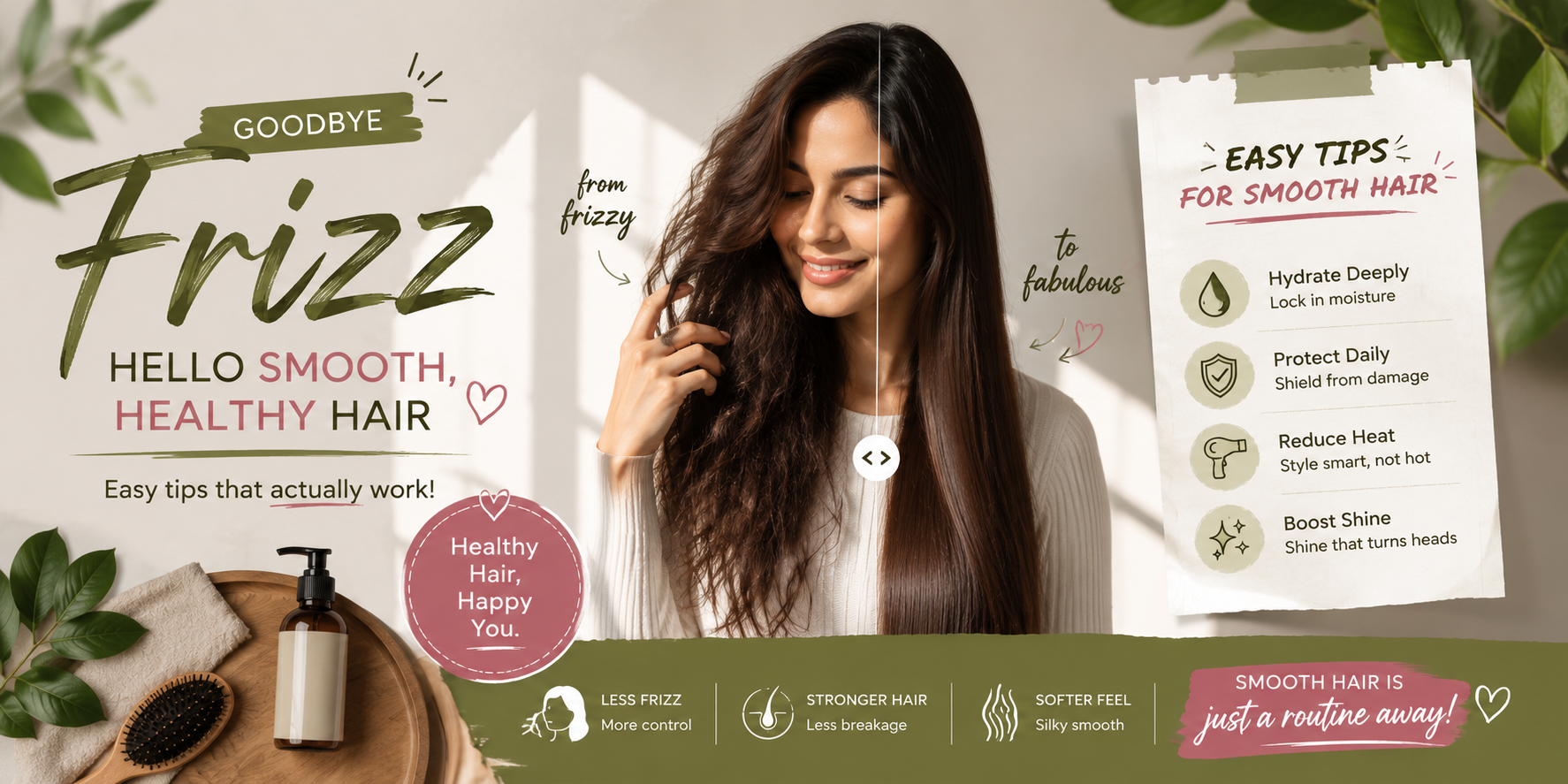
Frizzy hair can make your hair look dry, rough, puffy, or difficult to style. The best way to reduce frizz is to follow a consistent hair care routine that protects the hair from dryness, breakage, friction, and excessive heat.
Use the right shampoo and conditioner for your hair type, handle wet hair gently, avoid aggressive towel drying, limit high heat, and choose suitable leave-in or smoothing products. These simple changes can help make hair look smoother and easier to manage. Dermatologists also recommend adapting your routine to your hair type rather than using the same products and techniques for everyone.
What Causes Frizzy Hair?
Frizz occurs when individual strands do not lie smoothly with the rest of the hair. Dryness, damage, friction, and certain hair textures can make frizz more noticeable.
Common causes of frizzy hair include:
- Dry or moisture-depleted hair
- Excessive heat styling
- Frequent bleaching or chemical treatments
- Rough towel drying
- Excessive brushing
- Hair breakage and split ends
- Friction from towels, clothing, or bedding
- Using unsuitable hair products
- Humid weather
- Naturally curly, coily, or textured hair
Damaged hair is more fragile and can break more easily, which may contribute to a frizzy, unhealthy-looking appearance.
How Can I Reduce Frizzy Hair?
The easiest way to reduce frizz is to minimize hair damage while keeping your hair appropriately conditioned. Instead of depending on one anti-frizz product, focus on your entire hair care routine.
Here are the most effective everyday hair care tips for smoother-looking hair.
1. Shampoo Your Scalp, Not Your Hair Length
One of the simplest ways to improve your hair care routine is to focus shampoo on your scalp.
Your scalp produces oil and collects sweat, dead skin cells, and product buildup. Applying shampoo primarily to the scalp cleans the area without unnecessarily rubbing and drying the lengths of your hair.
When you rinse, the shampoo naturally moves through the rest of your hair.
The American Academy of Dermatology recommends applying shampoo to the scalp instead of aggressively washing the entire length of the hair.
2. Use Conditioner After Every Shampoo
If you want to know how to get smoother hair, do not overlook conditioner.
Conditioner helps moisturize and detangle the hair, making it easier to manage and style. The best way to apply it depends on your hair type.
- Fine or straight hair: Focus conditioner mainly on the ends.
- Dry or curly hair: Apply conditioner throughout the length.
- Thick or textured hair: Use enough conditioner to improve moisture and detangling.
Regular conditioning is one of the simplest steps for reducing dryness and improving hair manageability.
3. Stop Rubbing Your Hair With a Towel
Rubbing wet hair vigorously with a towel can create unnecessary friction and contribute to hair damage.
Instead, gently squeeze out excess water and wrap your hair in a towel or soft T-shirt. Allow the fabric to absorb moisture instead of aggressively rubbing the strands.
This small change can be particularly useful if your hair is already dry, damaged, curly, or prone to breakage.
4. Detangle Frizzy Hair Gently
Wet hair can be fragile, so aggressive brushing or pulling can increase breakage.
A wide-tooth comb can help you detangle hair more gently. However, the best approach depends on your texture.
For straight hair, allow it to dry somewhat before gently combing. For thick, curly, or tightly textured hair, gentle detangling while the hair is damp can help reduce breakage.
Start at the ends and gradually work upward instead of pulling through knots from the roots.
5. Reduce Heat Styling
Frequent use of flat irons, curling irons, and high-heat blow dryers can damage hair and make it look dry, brittle, and frizzy.
If you use heat styling tools:
- Choose a low or medium heat setting.
- Let your hair partially air-dry when possible.
- Use a heat-protective product.
- Limit how frequently you use hot tools.
- Avoid repeatedly applying heat to the same section.
Excessive heat can damage hair regardless of hair type, so reducing heat exposure is an important part of an anti-frizz hair care routine.
6. Choose Hair Products for Your Hair Type
There is no single best product for every type of frizzy hair.
Fine hair may become heavy or greasy when you use rich creams and oils, while thick, curly, or coily hair may need more conditioning and moisture.
Look for products described as:
- Anti-frizz
- Smoothing
- Moisturizing
- Leave-in conditioner
- Detangling
- Heat protection
For curly or coily hair, dermatologists recommend moisturizing products and mention ingredients such as argan oil, glycerin, cetyl alcohol, and stearyl alcohol as options to look for in conditioning products.
7. How to Stop Frizzy Hair in Humidity
Humidity can make frizz more noticeable, particularly when hair is dry, damaged, curly, or naturally textured.
You cannot completely control the weather, but you can reduce the factors that make frizz harder to manage.
Before going outside in humid weather:
- Keep your hair properly conditioned.
- Use a suitable leave-in or smoothing product.
- Avoid excessive brushing.
- Minimize unnecessary manipulation.
- Protect your hair from excessive heat.
- Choose a hairstyle that does not require constant restyling.
The goal is not to eliminate every flyaway. Instead, focus on keeping your hair conditioned and minimizing damage.
8. Create a Simple Hair Care Routine for Frizzy Hair
A consistent routine can make managing frizzy hair easier.
Wash
Clean your scalp according to how quickly it becomes oily or dirty. Your ideal washing frequency depends on your hair and scalp type.
Condition
Apply conditioner after shampooing and focus on the areas that need moisture and easier detangling.
Detangle
Use a suitable wide-tooth comb or detangling tool and avoid unnecessary pulling.
Dry
Gently squeeze or wrap your hair instead of rubbing it vigorously with a towel.
Protect
Use heat protection when using a blow dryer, flat iron, or curling tool.
Style
Apply a leave-in conditioner, smoothing cream, serum, or another suitable product based on your hair type.
Maintain
Reduce excessive brushing, frequent high-heat styling, chemical processing, and tight hairstyles.
This simple routine supports healthier-looking, smoother, and more manageable hair.
9. How to Stop Frizzy Hair Overnight
Your nighttime hair routine can affect how your hair looks the next morning.
Try these simple habits:
- Avoid sleeping with soaking-wet hair.
- Use a loose hairstyle rather than a tight ponytail or bun.
- Avoid unnecessary pulling and tension.
- Minimize friction while sleeping.
- Use a suitable leave-in conditioner if your hair benefits from additional conditioning.
For curly and coily hair, loose styles such as a loose braid or loose “pineapple” can help preserve the hairstyle and reduce friction. Satin or silk bonnets and pillowcases may also help reduce friction.
10. Can Hair Oil Reduce Frizz?
Hair oil can make some hair types feel smoother and can temporarily improve the appearance of flyaways. However, oil is not a universal treatment for frizzy hair.
Using too much can make fine hair look greasy or weighed down. If you use hair oil, start with a small amount and apply it mainly to the lengths and ends.
The right product and amount depend on your hair type, texture, and condition.
11. Is Frizzy Hair a Sign of Damaged Hair?
Not necessarily.
Frizz can occur naturally, especially in curly, coily, and textured hair. Having frizzy hair does not automatically mean your hair is unhealthy.
However, sudden or worsening frizz combined with excessive dryness, roughness, split ends, frequent breakage, thinning, or noticeable hair loss may indicate hair damage or another underlying issue.
Heat styling, chemical treatments, tight hairstyles, and rough handling can all contribute to hair damage.
12. Avoid These Common Frizzy Hair Mistakes
Brushing Too Much
Brushing more does not automatically make hair smoother. Excessive brushing can contribute to breakage and split ends.
The idea that everyone needs to brush their hair 100 times a day is a myth.
Using High Heat Every Day
Frequent high-temperature styling can damage the hair shaft and contribute to dry, brittle, frizzy-looking hair.
Use lower temperatures and reduce how often you use hot tools.
Skipping Conditioner
Skipping conditioner can leave hair harder to detangle and manage.
Using conditioner after shampooing is a basic step recommended by dermatologists for healthier-looking hair.
Rubbing Hair Dry
Aggressive towel drying increases unnecessary friction.
Instead, gently wrap your hair or squeeze out excess water.
Wearing Tight Hairstyles Too Often
Constant tension from tight ponytails, buns, braids, cornrows, or extensions can contribute to breakage and, over time, traction-related hair loss.
Frizzy Hair Tips for Different Hair Types
|
Hair Type |
Best Frizz-Control Approach |
|
Fine, straight hair |
Use lightweight conditioner and avoid heavy styling products. |
|
Thick, straight hair |
Focus on conditioning the lengths and reducing heat and friction. |
|
Wavy hair |
Avoid excessive brushing and choose lightweight smoothing products. |
|
Curly hair |
Prioritize moisture, gentle detangling, and reduced dry brushing. |
|
Coily or tightly textured hair |
Focus on conditioning, gentle handling, and suitable protective styles. |
|
Chemically treated hair |
Prioritize conditioning and reduce additional heat and chemical stress. |
Hair type matters because the same hair care routine does not work equally well for everyone. Dermatologists recommend choosing products and techniques according to your individual hair type and texture.
When Should You See a Dermatologist for Frizzy Hair?
If your hair continues to become increasingly dry, brittle, damaged, or difficult to manage despite changing your hair care routine, consider speaking with a board-certified dermatologist.
Professional evaluation is especially important if frizz occurs alongside:
- Significant hair breakage
- Noticeable thinning
- Hair loss
- Persistent scalp problems
- Sudden changes in hair texture
- Other unexplained changes in your hair or scalp
A dermatologist can help determine whether your concerns are related to hair-care practices, damage, scalp conditions, or another underlying cause.
Frequently Asked Questions About Frizzy Hair
How can I stop frizzy hair naturally?
Focus on gentle hair care rather than relying on one home remedy. Condition regularly, avoid rough towel drying, detangle gently, reduce excessive heat, and avoid unnecessary brushing. The best routine depends on your hair texture, scalp, and overall hair condition.
How do I reduce frizz and make my hair smooth?
Use conditioner after shampooing, handle wet hair gently, reduce heat styling, avoid excessive brushing, and use a suitable leave-in or smoothing product. Consistency is more important than using a large number of products.
Why is my hair frizzy after washing?
Frizzy hair after washing can be associated with dryness, rough handling, excessive towel rubbing, unsuitable products, or heat during drying. Conditioning and gentle handling can help reduce unnecessary damage and improve manageability.
Does conditioner help with frizzy hair?
Yes. Conditioner moisturizes and detangles hair, which can make it easier to manage and style. Apply it according to your hair type: mainly to the ends for fine or straight hair and throughout the length for dry or curly hair.
Is air-drying better for frizzy hair?
Air-drying can reduce exposure to heat. If you use a blow dryer, let your hair partially air-dry first when possible and choose a low or medium heat setting. Excessive heat can damage all hair types.
How often should I wash frizzy hair?
There is no universal washing schedule. Wash according to your scalp and hair type. Oily, straight hair may require more frequent washing, while dry, curly, thick, or textured hair may need less frequent shampooing.
Does brushing make frizz worse?
Excessive or aggressive brushing can contribute to breakage and may make hair look frizzier. Use an appropriate comb or brush and detangle gently. For curly or tightly textured hair, avoid unnecessary dry brushing because it can contribute to breakage and frizz.
Can frizzy hair become permanently smooth?
Hair care can improve smoothness and manageability, but there is no universal natural method that permanently changes your hair’s natural texture. Consistent conditioning and reducing damage can help hair look smoother and healthier.
The Bottom Line: How to Tame Frizzy Hair
Learning how to stop frizzy hair does not require a complicated routine. Start with the basics: use shampoo correctly, condition regularly, detangle gently, avoid rough towel drying, protect your hair from excessive heat, and choose products designed for your hair type.
If you have curly or textured hair, prioritize moisture and gentle handling. If your hair is fine or straight, choose lighter products to avoid weighing it down.
The most important goal is to reduce damage and maintain healthy-looking, manageable hair, rather than trying to eliminate every natural flyaway.