
How Can You Look Expensive Without Spending a Fortune?
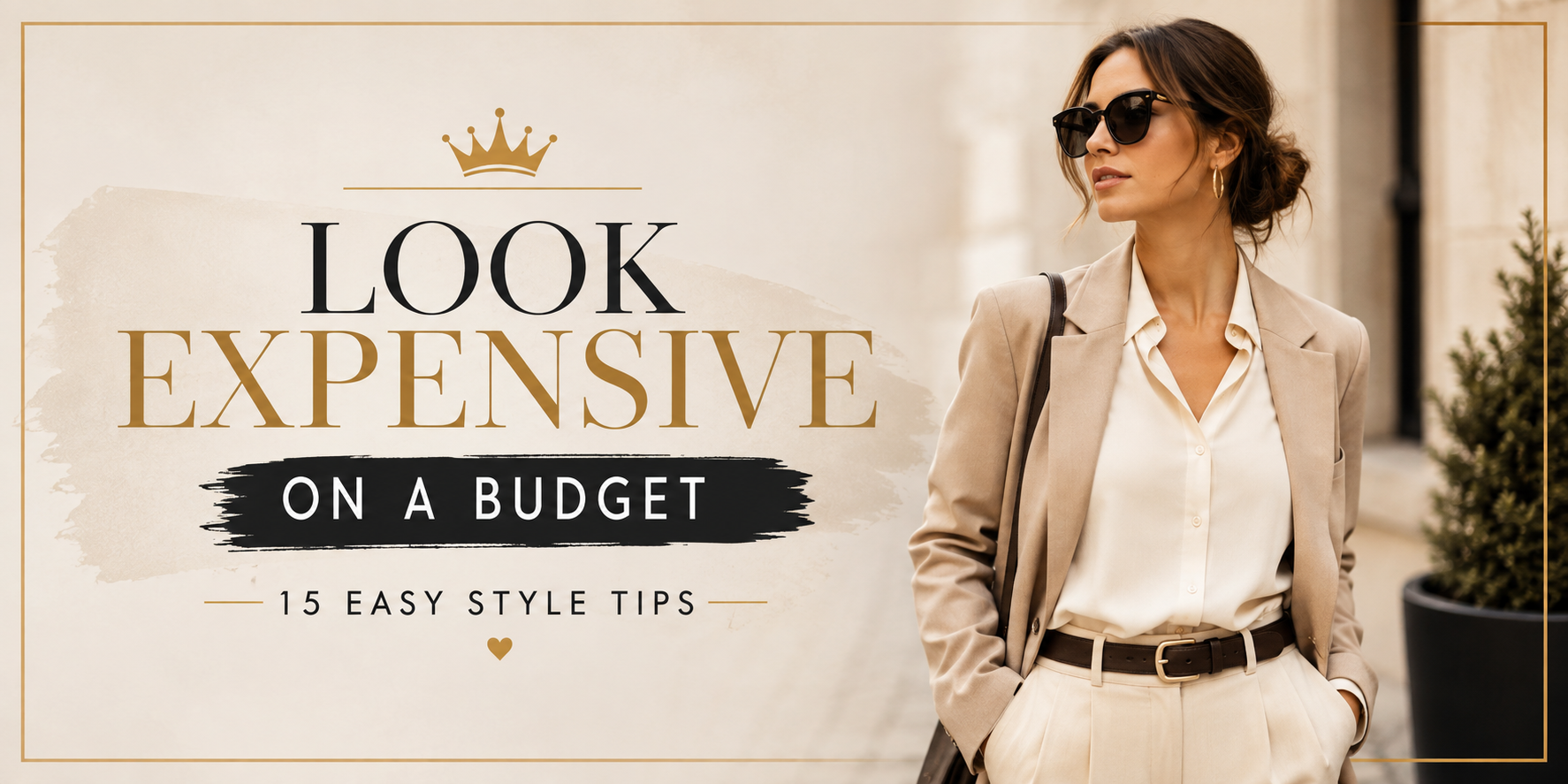
To look expensive on a budget, focus on fit, fabric, color, grooming, accessories, and clothing condition rather than designer labels. Well-fitting clothes, clean shoes, pressed fabrics, simple accessories, and a coordinated color palette can make affordable clothes look polished, elegant, and intentional.
You don’t need an expensive wardrobe to create an expensive-looking outfit. Recent fashion coverage continues to emphasize versatile basics, thoughtful styling, and quality-looking pieces as accessible ways to create a more polished wardrobe.
The goal isn’t to pretend inexpensive clothing is luxury. It’s to make smart style choices that help your entire outfit look refined, cohesive, and well maintained.
1. Choose Clothes That Fit Well
Good fit is one of the easiest ways to make affordable clothes look expensive. A budget blazer with clean shoulders, correctly fitted sleeves, and the right length can look more polished than an expensive jacket that doesn’t fit properly.
When shopping, check:
- Shoulder seams
- Sleeve length
- Trouser length
- Waist fit
- Fabric pulling or bunching
- Overall proportions
- Whether an oversized silhouette looks intentional
If a piece is almost perfect, consider having it altered rather than replacing it.
Why does fit matter so much?
Clothes that fit properly create a cleaner silhouette. Even current budget-fashion advice consistently puts fit, proportion, and structure among the most important elements of an expensive-looking outfit.
Smart budget tip: Before buying another outfit, see whether tailoring an existing one would give you a bigger improvement.
Internal link opportunity: How to Find the Perfect Clothing Fit for Your Body Type
2. Pay Attention to Fabric Quality
You don’t need designer fabrics to create a polished wardrobe. Instead, look for materials that drape well, hold their shape, and have a substantial-looking finish.
Good options can include:
- Cotton
- Linen
- Wool or wool blends
- Denim with some structure
- Viscose or rayon with a good drape
- Modal
- Silk when affordable
- Well-made synthetic blends
Don’t judge a garment only by its fiber label. Look at how the material actually behaves.
Ask yourself:
- Does it hang well?
- Is it excessively thin?
- Does it look overly shiny?
- Does it lose its shape easily?
- Does it pill quickly?
- Does it feel comfortable and substantial?
Current capsule-wardrobe coverage is also emphasizing versatile basics made from materials such as linen, cotton, and silk as practical foundations for a more thoughtful wardrobe.
What fabrics can make clothes look cheap?
Extremely thin, overly shiny, visibly transparent, heavily pilled, or poorly finished fabrics can sometimes make an outfit look less polished.
That doesn’t mean synthetic fabrics are automatically bad. Judge the garment by its appearance, construction, and performance—not simply by whether the material is natural or synthetic.
3. Wear a Simple, Coordinated Color Palette
One of the easiest budget fashion tips is to make your colors work together.
Try combinations such as:
- Black + cream + tan
- Navy + white + brown
- Camel + ivory + chocolate
- Charcoal + white + black
- Beige + denim + brown
- Burgundy + cream + dark brown
- Olive + ecru + black
Neutral colors are especially easy to style because they create a cohesive wardrobe and make it easier to mix and match affordable basics.
Does wearing neutral colors make you look expensive?
Neutral colors can make it easier to create an elegant, polished outfit, but you don’t have to wear beige, black, or cream exclusively.
Bright colors can look just as sophisticated when the shades, proportions, and styling work together.
Try the three-color rule
As a simple starting point, build an outfit around two or three coordinated colors.
For example:
Cream shirt + black trousers + black loafers
The limited color palette creates visual consistency without requiring expensive clothing.
4. Try the Sandwich Outfit Method
Want a simple expensive-looking outfit formula? Try the sandwich method.
The idea is to visually connect the top and bottom of an outfit while allowing the middle to provide contrast.
For example:
Black top → cream trousers → black shoes
Or:
White shirt → blue jeans → white sneakers
The matching “bookends” make an outfit feel more cohesive and deliberately styled. The technique has also appeared in recent 2026 fashion coverage as a simple way to create a polished professional outfit.
It isn’t a strict fashion rule. Think of it as a useful styling shortcut when an outfit feels incomplete.
5. Keep Your Clothes Clean, Pressed, and Well Maintained
This may be the cheapest way to look expensive.
A reasonably priced shirt that is clean, pressed, lint-free, and well fitted can look far more polished than a costly shirt that is wrinkled, stained, stretched, or damaged.
Before leaving home, check for:
- Wrinkles
- Lint
- Pilling
- Stains
- Loose threads
- Missing buttons
- Frayed hems
- Scuffed shoes
- Deodorant marks
A clothes steamer or iron can be one of the most useful tools in an affordable wardrobe.
Looking polished often has less to do with price and more to do with maintenance.
6. Make Your Shoes and Bag Look Polished
Shoes and bags can have a major effect on an outfit because they are highly visible and can quickly show wear.
When shopping for affordable accessories, look for:
- Clean, simple designs
- Good structure
- Minimal branding
- Neat stitching
- Functional hardware
- Good overall condition
You don’t need a designer handbag to create a sophisticated look.
Instead, consider having fewer bags and shoes that you maintain well rather than constantly replacing worn-out pieces.
What accessories make an outfit look expensive?
Simple, structured accessories often work well:
- A classic watch
- Clean loafers
- A structured handbag
- A simple belt
- Minimal sunglasses
- Small earrings
- A simple necklace
The goal is polished rather than overloaded.
7. Don’t Overdo Accessories
Looking classy on a budget isn’t about wearing as many accessories as possible.
Instead, choose accessories that complete the outfit.
For example:
Simple outfit + statement earrings
or
Basic outfit + structured handbag
or
Tailored outfit + classic watch
A useful rule is:
Choose one focal point and let everything else support it.
When every item competes for attention, the outfit can look busy instead of sophisticated.
8. Improve Your Grooming
Your clothes aren’t the only thing people notice.
Grooming can make an affordable outfit feel significantly more polished.
Pay attention to:
- Neat hair
- Clean nails
- Moisturized skin
- Clean shoes
- Well-maintained facial hair, if applicable
- Clean glasses
- Light, appropriate fragrance
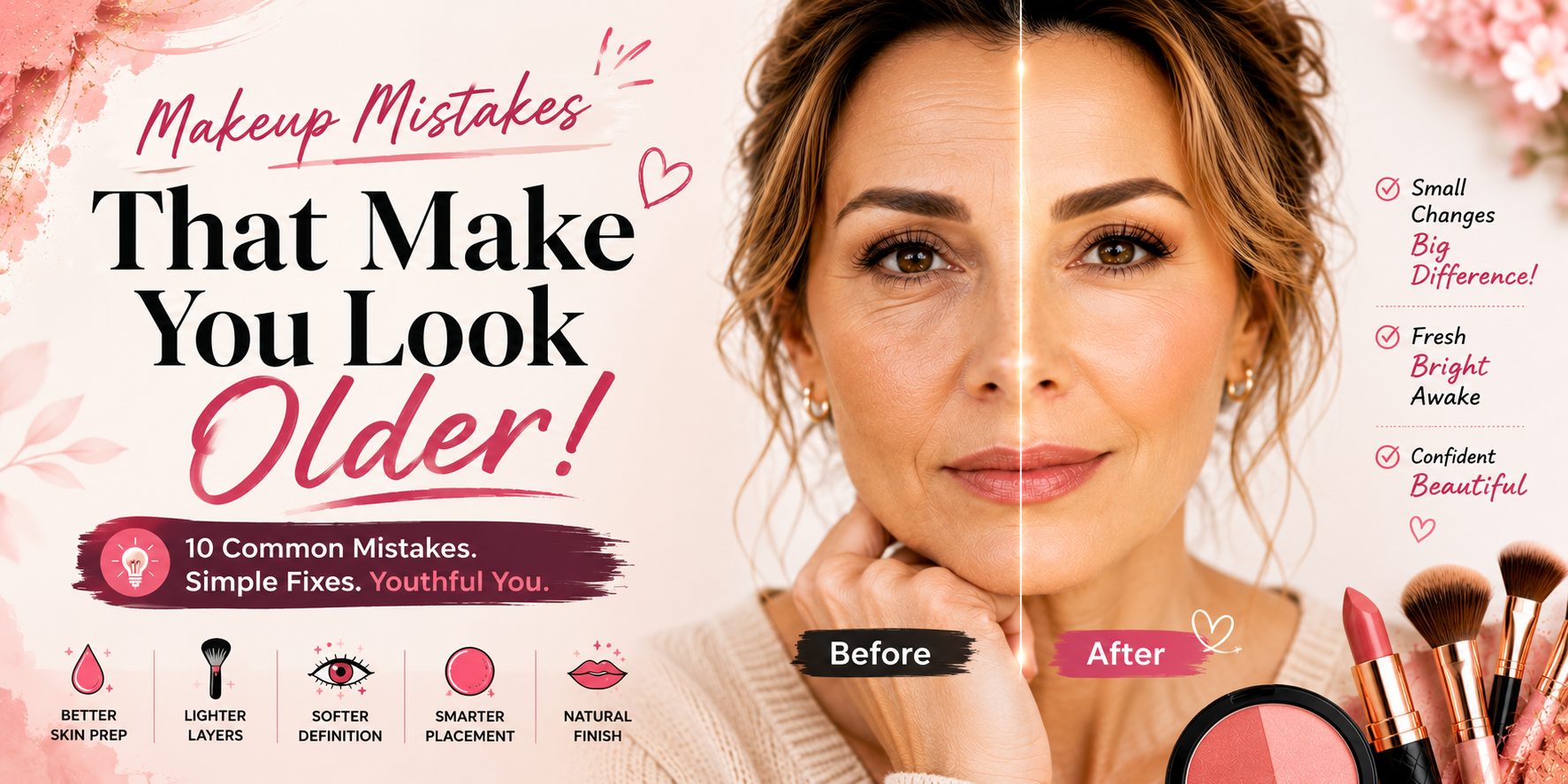
- Natural-looking makeup, if you wear it
You don’t need an expensive beauty routine.
Consistency and cleanliness matter more than complexity.
9. Avoid Excessive Logos
Designer logos don’t automatically make an outfit look expensive.
Large or competing logos can sometimes distract from the clothing itself. For an affordable wardrobe, understated pieces are often easier to mix, match, and wear repeatedly.
This overlaps with the current interest in quiet luxury fashion, which generally emphasizes restrained branding, simple silhouettes, versatile pieces, and quality-looking materials rather than obvious status symbols. Recent 2026 coverage continues to frame quiet luxury as an aesthetic that can be adapted without a designer wardrobe.
You can absolutely wear branded clothing. The point is simply that good styling doesn’t depend on visible labels.
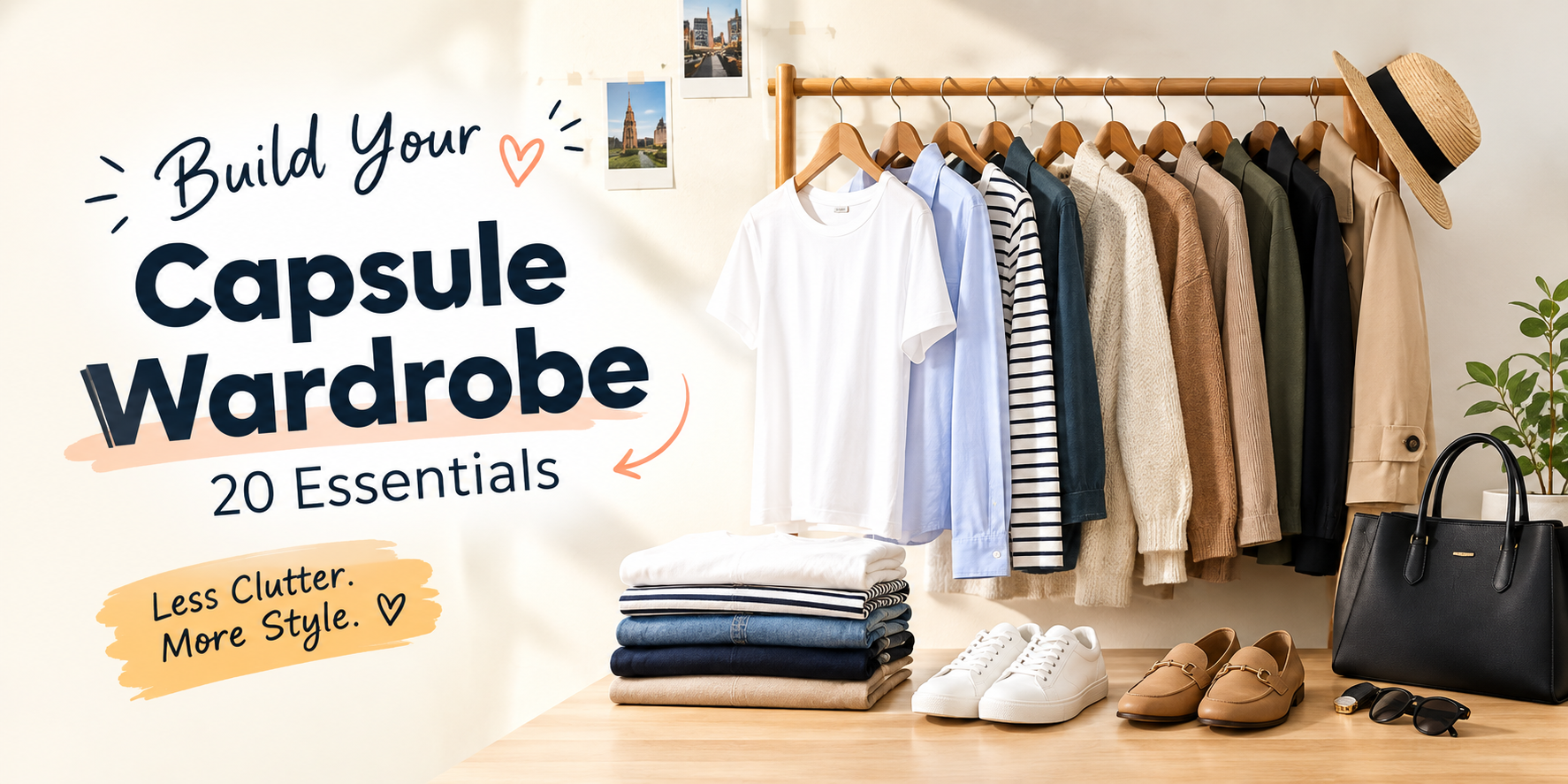
10. Build a Capsule Wardrobe
You don’t need a huge wardrobe to look stylish.
A capsule wardrobe focuses on versatile pieces that work together across multiple outfits.
Consider starting with:
- One well-fitting blazer
- Two or three quality tops
- Tailored trousers
- Dark jeans
- A simple knit
- A versatile dress or skirt
- Clean sneakers
- Loafers or polished everyday shoes
- One structured bag
- A versatile belt
The benefit is simple: more outfit combinations with fewer clothes.
Recent fashion coverage continues to highlight versatile, repeatable wardrobe basics as an alternative to constantly buying trend-driven clothing.
Internal link opportunity: How to Build a Capsule Wardrobe on a Budget
11. Shop for Cost Per Wear
The cheapest clothing isn’t always the best value.
A useful shopping calculation is:
Cost per wear = purchase price ÷ number of times you wear the item
For example:
- ₹1,500 dress worn 3 times = ₹500 per wear
- ₹6,000 trousers worn 60 times = ₹100 per wear
The second item costs more initially but may provide better long-term value.
Before buying, ask:
- Can I wear this at least 20–30 times?
- Does it work with my existing wardrobe?
- Does it fit properly?
- Will I still like it after the trend passes?
- Is it reasonably easy to care for?
If the answer is mostly no, a low price may not make it a good purchase.
12. Buy Fewer Trend Pieces
Fashion trends can be fun, but building your entire wardrobe around trends can become expensive quickly.
Instead, combine timeless wardrobe basics with a few affordable trend pieces.
For example:
Classic:
Navy blazer + white shirt + straight-leg jeans
Trend:
Add a current shoe, bag, scarf, or accessory.
This lets you experiment with fashion without constantly replacing your entire wardrobe.
13. Check the Details Before You Buy
Knowing how to shop for clothes on a budget can be just as important as knowing how to style them.
Before buying, inspect:
Seams
Are they straight and neatly finished?
Buttons
Are they secure and appropriate for the garment?
Zippers
Do they move smoothly?
Hardware
Does it look sturdy rather than flimsy?
Fabric
Does it drape well and hold its shape?
Transparency
Is light-colored fabric more transparent than you expected?
Pilling
Does the garment already show excessive fuzz or pilling?
Hems
Are they even and properly finished?
These small details can help you identify affordable clothes that look more expensive.
14. Use Tailoring to Upgrade Affordable Clothes
If you have a limited clothing budget, tailoring can sometimes be a better investment than buying another new outfit.
Useful alterations include:
- Hemming trousers
- Adjusting a waistband
- Shortening sleeves
- Altering dresses
- Adjusting jackets
- Replacing buttons
- Repairing loose seams
The goal isn’t to own more clothing.
It’s to make the clothing you already own fit and function better.
15. Take Care of the Clothes You Already Own
One of the best budget fashion strategies is simply to make your existing wardrobe last longer.
Follow care instructions, wash garments appropriately, air-dry pieces when suitable, store knitwear correctly, remove lint and pills carefully, and repair small problems before they become major ones.
A ₹3,000 sweater that remains wearable for years can offer better value than several ₹1,000 sweaters that quickly lose their shape.
What Makes an Outfit Look Expensive?
An expensive-looking outfit usually combines good fit, coordinated colors, clean condition, polished grooming, restrained styling, and quality-looking materials. Designer labels and high prices are not required.
Think of the outfit as a complete look rather than a collection of individual purchases.
Use this five-second style check:
Fit: Does everything fit correctly?
Color: Do the colors complement one another?
Condition: Is everything clean and pressed?
Balance: Is one piece overpowering the rest?
Finish: Are your shoes, hair, accessories, and grooming polished?
If those five elements work, your outfit is likely to look more put together.
How Can You Dress Classy on a Budget?
To dress classy on a budget, prioritize well-fitting basics, coordinated colors, clean shoes, simple accessories, good grooming, and quality-looking fabrics. You don’t need expensive designer clothing. A small collection of versatile pieces can create elegant outfits when the fit, proportions, and styling are intentional.
Easy classy outfit formula
Try:
Well-fitting basic + structured layer + clean shoes + simple accessory
For example:
White cotton shirt + black trousers + black belt + loafers + simple watch
For casual style, swap the trousers for jeans and the loafers for clean sneakers.
How Can You Look Expensive at Work?
For a polished work wardrobe, focus on tailoring, subtle colors, clean footwear, and understated accessories.
Business casual outfit
White or light-blue shirt
- tailored trousers
- belt
- loafers
- structured bag
Smart casual outfit
Fine-gauge knit
- dark jeans
- blazer
- clean sneakers
Indian professional outfit
Well-fitted kurta
- straight trousers
- minimal jewelry or watch
- clean loafers or understated flats
The goal is not to look overdressed. It’s to look professional, polished, and intentional.
How Can You Look Expensive in Casual Clothes?
Casual clothes can still look elegant and polished.
Try combining:
- A clean, well-fitting T-shirt
- Straight-leg jeans or tailored trousers
- Minimal sneakers
- A structured overshirt or blazer
- A simple watch
- A coordinated belt
For example:
Black T-shirt + cream trousers + black sandals
The outfit works because the colors and proportions are deliberate. The sandwich method can also help make casual outfits feel more cohesive.
What Should You Stop Buying If You Want to Look More Expensive?
Stop buying clothes simply because they’re cheap, heavily discounted, or trending if you don’t have a realistic way to wear them.
Be careful with:
- Poorly fitting clothes
- Extremely trend-driven pieces
- Items that require several additional purchases
- Poorly finished hardware
- Flimsy-looking fabrics
- Duplicate basics
- “Almost right” purchases you never actually alter
Sometimes the smartest budget purchase is the item you decide not to buy.
Is Quiet Luxury the Same as Looking Expensive?
No. Quiet luxury is a specific fashion aesthetic, while looking expensive is a broader styling goal.
Quiet luxury generally emphasizes:
- Understated design
- Neutral or muted colors
- Minimal branding
- Simple silhouettes
- Quality-looking fabrics
- Timeless wardrobe pieces
You can borrow these principles without copying the entire aesthetic or buying luxury clothing. Current fashion discussions continue to treat quiet luxury as a restrained approach that can be adapted to more accessible wardrobes.
You can look polished in:
- Minimalist fashion
- Colorful outfits
- Streetwear
- Indian ethnic wear
- Vintage clothing
- Casual basics
- Statement pieces
The fundamentals remain the same: fit, condition, proportion, and intentional styling.
How Can You Upgrade Your Wardrobe on a Small Budget?
If you have only a small amount of money to spend, don’t automatically buy an entire new outfit.
Instead:
- Alter one piece that almost fits perfectly.
- Clean or repair your existing shoes.
- Buy one versatile belt.
- Replace one visibly worn basic.
- Add one understated accessory.
- Invest in basic garment-care tools.
The exact budget depends on your location and shopping options. The principle remains the same:
Improve the pieces you wear most before expanding your wardrobe.
10-Minute Checklist for an Expensive-Looking Outfit
Before leaving home:
- Check that your clothes fit properly.
- Remove lint and pet hair.
- Steam or press visible wrinkles.
- Check your shoes for dirt and scuffs.
- Make sure your colors work together.
- Remove unnecessary accessories.
- Check buttons, hems, and loose threads.
- Choose one focal point.
- Check your hair and grooming.
- Add one final accessory if the outfit needs it.
You may not need more clothes.
You may simply need to finish the clothes you already own.
Frequently Asked Questions About Looking Expensive on a Budget
What is the cheapest way to look expensive?
The cheapest ways to look expensive are improving the fit of your clothes, keeping them clean and wrinkle-free, coordinating colors, maintaining your shoes, and paying attention to grooming. Many of these improvements cost little or nothing.
What colors make clothes look expensive?
Black, navy, cream, ivory, camel, chocolate brown, charcoal, and other coordinated shades are easy starting points for an elegant wardrobe. However, expensive-looking style isn’t limited to neutrals. Rich colors can look sophisticated when they are thoughtfully styled.
Do you need designer clothes to look expensive?
No. Designer clothing can offer distinctive design and craftsmanship, but you don’t need luxury brands to look polished. Fit, fabric, proportion, condition, accessories, and grooming can have a major effect on the overall appearance of an outfit.
How can I make cheap clothes look expensive?
Start with fit. Then press the clothes, remove lint, coordinate your colors, keep shoes clean, minimize excessive logos, and use simple accessories. Tailoring affordable clothing can also improve the silhouette.
Is black the best color for an expensive-looking outfit?
Black is versatile, but it isn’t the only sophisticated option. Navy, cream, camel, brown, gray, burgundy, olive, and tonal outfits can also create an elegant appearance.
How many clothes do you need to look stylish?
There is no fixed number. A smaller wardrobe can work extremely well when the pieces fit properly, coordinate with each other, and suit your lifestyle. A capsule wardrobe can help you create more outfits while buying fewer clothes.
Does expensive-looking style mean wearing neutral colors?
No. Neutral colors are simply easy to coordinate. The more important principles are intentional color choices, good proportions, proper fit, and visual balance.
Is tailoring worth the money?
Often, yes—especially for pieces you wear frequently. A relatively small alteration can improve the fit and silhouette of an existing garment, potentially increasing its usefulness and cost-per-wear value.
Final Takeaway: Looking Expensive Is About Style, Not Spending
Learning how to look expensive on a budget doesn’t require a designer wardrobe.
The most effective approach is to buy less, choose carefully, prioritize fit, maintain your clothes, coordinate your colors, and style with intention.
Focus on the details people notice first:
- Fit
- Fabric
- Color
- Shoes
- Accessories
- Grooming
- Clothing condition
- Overall balance
Then use this simple rule:
Don’t ask, “How much did this cost?” Ask, “Does this look intentional?”
That mindset can help you create polished, elegant, and expensive-looking outfits without spending a fortune.